Physical Address
304 North Cardinal St.
Dorchester Center, MA 02124
Physical Address
304 North Cardinal St.
Dorchester Center, MA 02124
Global aviation news tracker
Global aviation news tracker
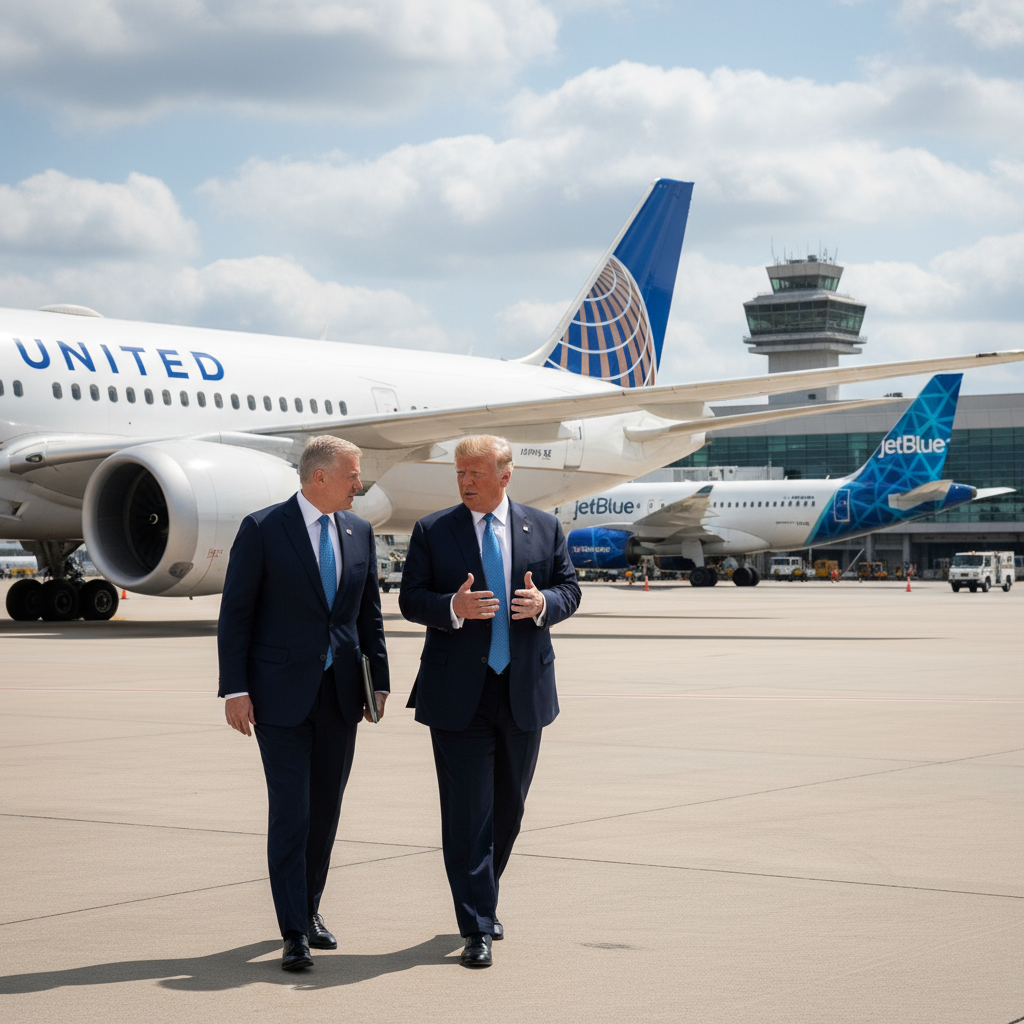
United CEO Scott Kirby is reportedly exploring a United JetBlue merger—an idea that has already sparked regulatory conversation.
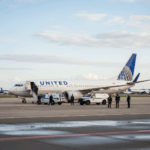
United CEO Scott Kirby has publicly aligned with former President Trump on regulatory questions and is reportedly weighing a United JetBlue merger involving United Airlines (IATA: UA, ICAO: UAL) and JetBlue (IATA: B6, ICAO: JBU). Discussions are said to be preliminary; any combination would face intense scrutiny from U.S. antitrust authorities and regulators concerned about competition and fares.
Industry watchers say the proposal would aim to expand coast-to-coast networks and strengthen city-pair feed, but critics warn about market consolidation, especially at key East Coast airports where JetBlue has concentrated growth. Both carriers would need approval from the Department of Justice (DOJ) and possibly the U.S. Department of Transportation (DOT) before moving forward.
A deal would reshape domestic and transcontinental capacity, potentially altering route maps, frequent-flyer partnerships, and alliance dynamics. United and JetBlue operate different fleet mixes and brand positions: United is a global full-service carrier; JetBlue has built a value-plus model focused on high-frequency U.S. routes and leisure markets. Any integration would require careful asset, fleet and labor planning.
For travelers, the near-term effect is uncertainty. That could mean reshuffled schedules, new codeshare agreements, or, if regulators block a deal, continued competition that supports current fare structures. For shareholders and employees, outcomes hinge on whether regulators view a transaction as pro-competitive or harmful to consumers. Sources close to the talks describe conversations as exploratory rather than finalized.