Physical Address
304 North Cardinal St.
Dorchester Center, MA 02124
Physical Address
304 North Cardinal St.
Dorchester Center, MA 02124
Global aviation news tracker
Global aviation news tracker
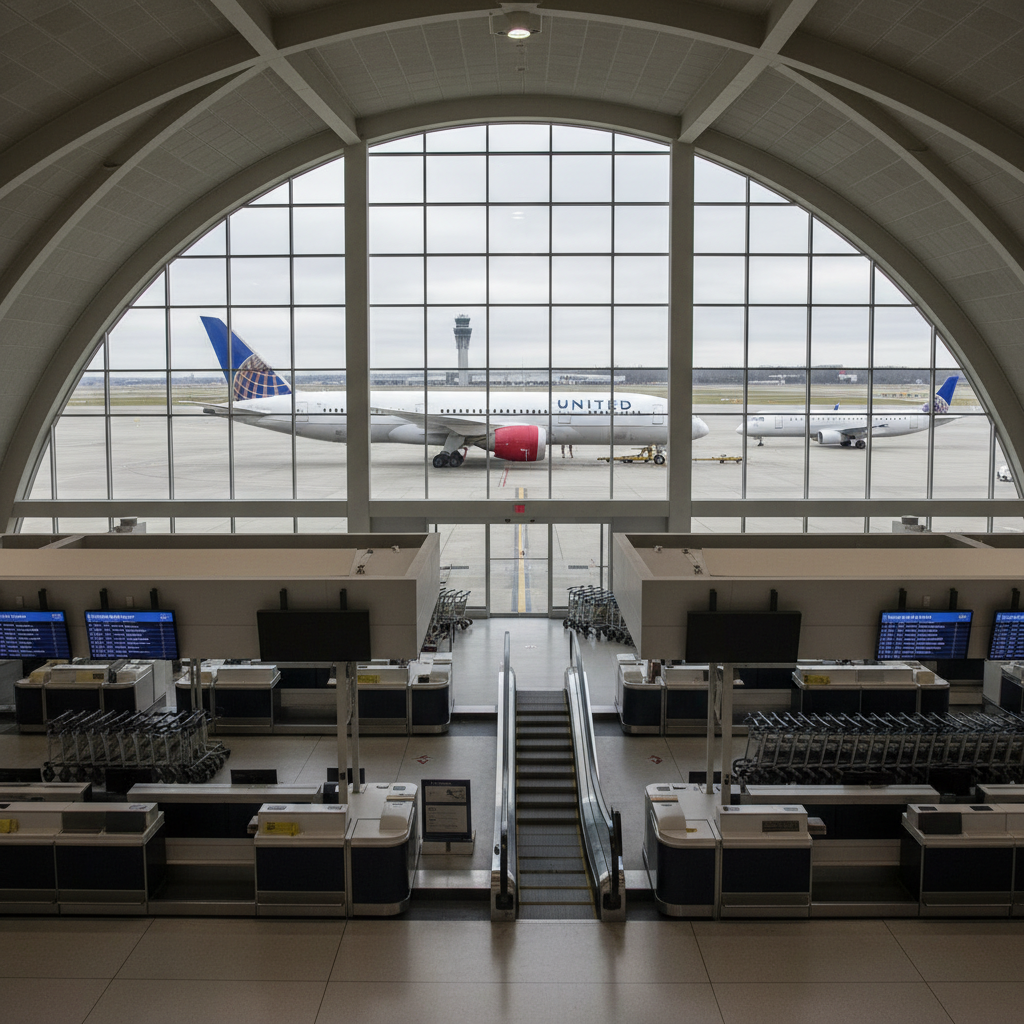
The US shutdown is forcing airlines to cut flights, creating longer airport lines and hundreds of daily cancellations.
Airlines and airports across the United States are feeling immediate pressure from the ongoing US shutdown. Operators report reduced schedules, stretched customer service, and mounting cancellations that are affecting local economies and travel plans. Industry executive Tia Minzoni, president of Stella Jet Brands, warned that even after the shutdown ends, it could take until early December for operations to return to normal as crews and aircraft are repositioned.
The disruption has exposed long-standing staffing gaps in air traffic control (ATC) and other frontline roles. ATC — critical for managing flight flows — is operating with fewer controllers in many centers, heightening delay risk and forcing airlines to preemptively trim itineraries to preserve safety margins and crew duty limits.
Airlines are juggling crew duty hours, maintenance windows and gate capacity while hubs report heavier-than-normal passenger queues. With hundreds of daily cancellations reported, carriers must rebalance networks and rebook passengers across complex itineraries, a process that can take weeks rather than days to fully resolve.
Experts say the episode should be a wake-up call: contingency plans that assume short disruptions aren’t enough when federal operations are curtailed for an extended period. Airlines, airports and federal aviation agencies will need coordinated workforce and operational strategies to improve resilience and speed passenger recovery once funding resumes.
For travellers, the near-term takeaway is to expect continued disruptions and to check flight status frequently. Refunds, rebooking options and airport assistance vary by carrier, so early communication with your airline remains the best way to limit travel headaches until traffic levels stabilize.