Physical Address
304 North Cardinal St.
Dorchester Center, MA 02124
Physical Address
304 North Cardinal St.
Dorchester Center, MA 02124
Global aviation news tracker
Global aviation news tracker
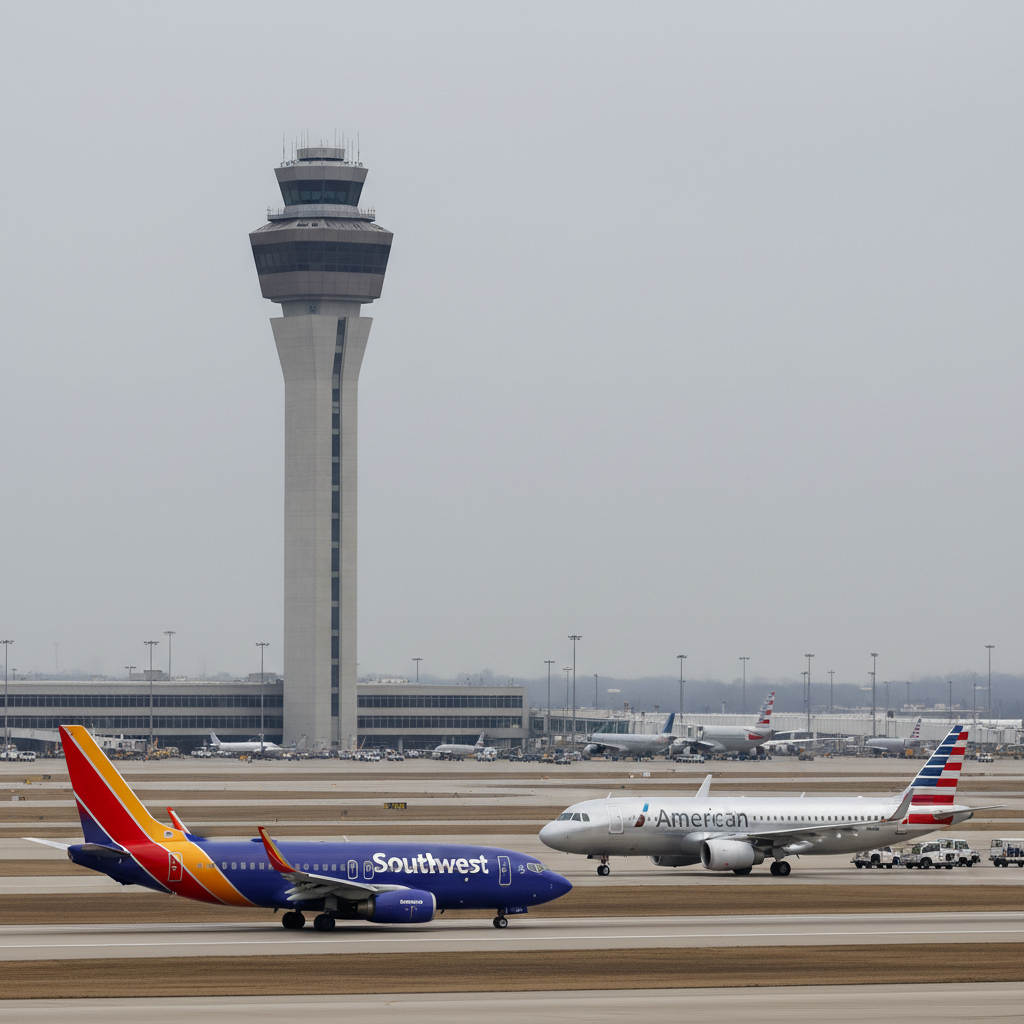
FAA orders a smaller, targeted reduction in flights to ease ATC strain while keeping schedules more stable for travelers.
The FAA flight cuts order, effective November 13, 2025, lowers mandatory operational reductions at 40 high-traffic U.S. airports from 10% to 6% amid continuing air traffic control (ATC) staffing and system stress. The agency says the change aims to preserve safety and efficiency across the National Airspace System while reducing disruption for passengers and carriers.
Under the directive, airlines are expected to spread the 6% reductions evenly across the day rather than concentrating cancellations during peak hours. The order remains in force until further notice and will be adjusted as data on operations and staffing conditions evolves.
The FAA also restricted commercial space launches to nighttime hours to limit additional strain on ATC resources during the day. International flights are exempt from the mandated domestic cuts, though carriers are allowed to voluntarily reduce international services to help meet domestic reduction targets.
FAA officials said they will monitor flight, staffing and system performance data closely and update restrictions if conditions warrant. The agency framed the order as a balance between sustaining safety margins in ATC and minimizing passenger and airline impacts during a period of strained resources.
For travelers, the move should mean fewer concentrated cancellations and less day-of-travel disruption at major hubs. Airlines will still need to adjust schedules and communicate changes; passengers should check carrier notifications and airport advisories for the latest flight status.