Physical Address
304 North Cardinal St.
Dorchester Center, MA 02124
Physical Address
304 North Cardinal St.
Dorchester Center, MA 02124
Global aviation news tracker
Global aviation news tracker
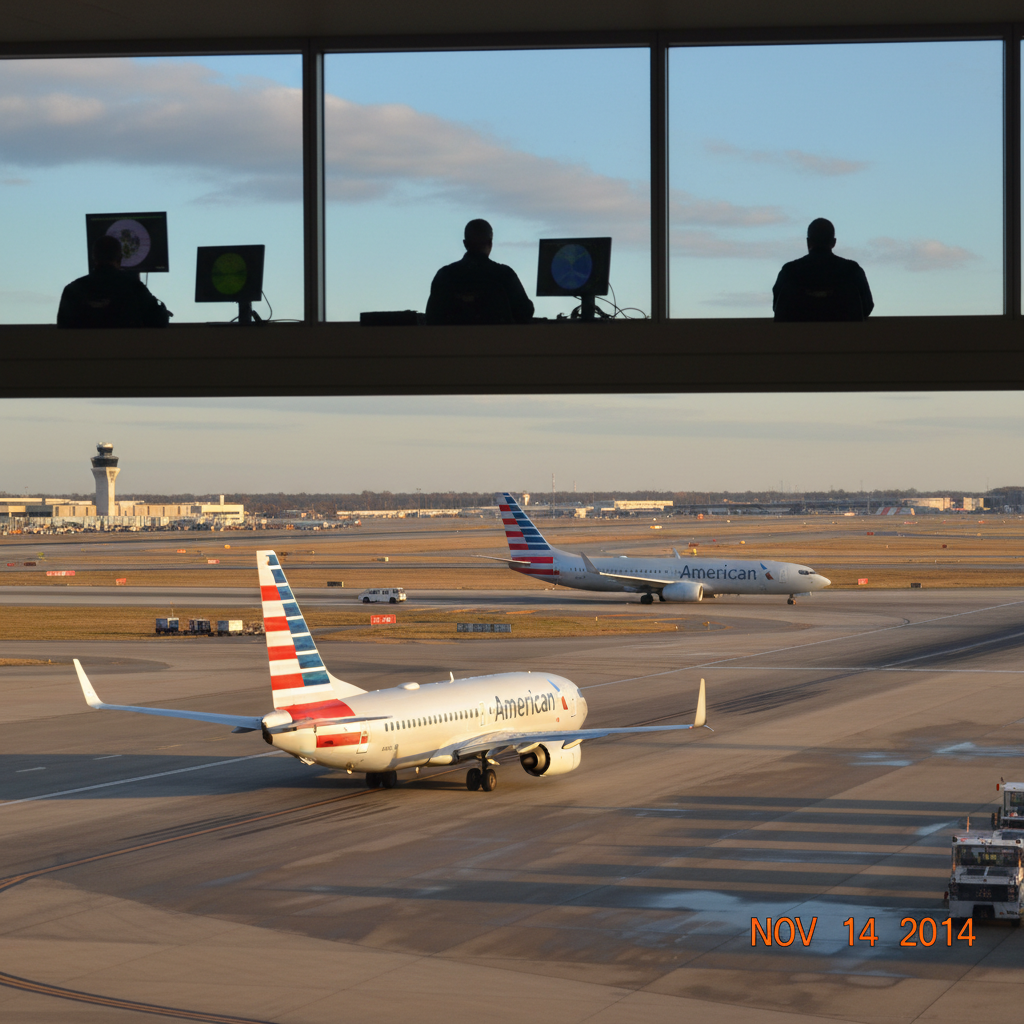
US carriers kept most flights running after an FAA 6% flight cut order on November 14.
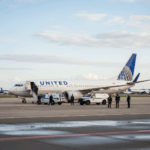
On November 14, the FAA (Federal Aviation Administration) directed a 6% reduction in flights at several major U.S. airports — a move widely described as FAA flight cuts. Improved air traffic controller (ATC) staffing allowed airlines to operate the bulk of scheduled services, keeping cancellations far below early worst-case projections.
Airlines quickly adjusted schedules and moved aircraft to cover key routes, while operations teams focused on minimizing passenger disruptions. By late Friday and into the weekend, disruptions had eased as staffing levels stabilized and traffic flow normalized at affected hubs.
Carriers leaned on contingency plans and real-time coordination with ATC centers to maintain service. Rather than blanket cancellations, many airlines reallocated aircraft and crews, preserving capacity on high-demand routes and protecting connections where possible. The result: fewer missed flights, shorter delays for many travelers, and limited ripple effects across networks.
Travelers should still expect some localized delays and occasional cancellations as airlines rebalance daily schedules after the directive. For affected passengers, checking airline notifications and flight status on the day of travel remains the best way to stay informed.
This account is based on reporting that the measure was in place on November 14 and that airline operations rebounded over the following days as ATC staffing improved. The fast coordination between carriers and ATC centers helped avoid widespread disruption during the regulatory adjustment.