Physical Address
304 North Cardinal St.
Dorchester Center, MA 02124
Physical Address
304 North Cardinal St.
Dorchester Center, MA 02124
Global aviation news tracker
Global aviation news tracker
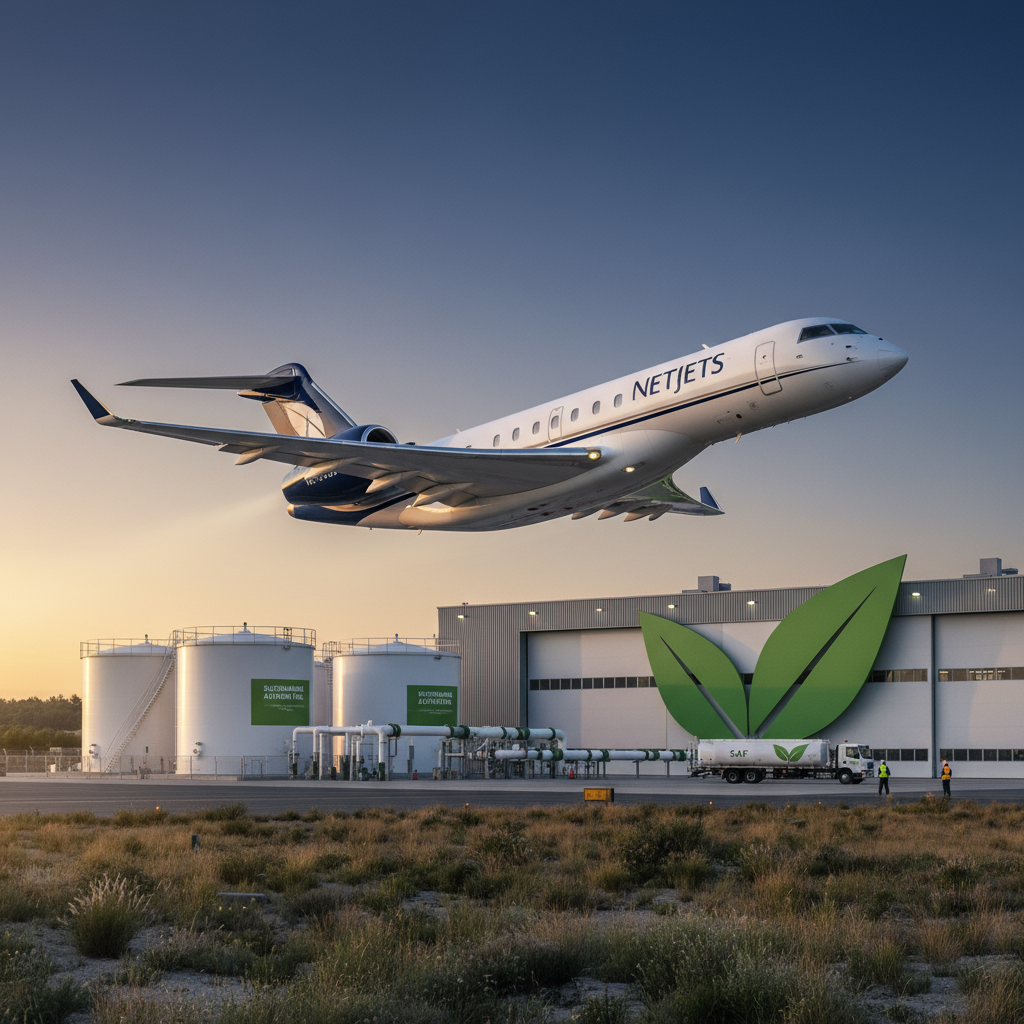
Bombardier says NetJets SAF (sustainable aviation fuel) use has climbed to become the fourth-largest commercial user worldwide.
Experts at Bombardier flagged a sharp uptick in uptake of sustainable aviation fuel (SAF) among business aviation operators, with NetJets now ranked as the fourth-largest commercial SAF user globally. The shift reflects growing pressure on charter and fractional operators to show progress on carbon commitments even as SAF supply lags behind demand.
Business aviation’s interest in SAF is driven by corporate sustainability targets and client expectations for lower lifecycle carbon emissions. Operators are blending SAF into existing fuel supply chains where possible, but high costs and limited production capacity remain real constraints for broader adoption across the Western aviation sector.
NetJets’ ascent in SAF rankings underlines a broader pattern: premium sectors of the market often lead early adoption when buyers can absorb price premiums. Bombardier’s commentary at a recent industry event highlighted that uptake is steady, with more flight departments and brokers requesting SAF as part of charter and fractional contracts.
For operators, the immediate challenge is balancing the optics and benefits of SAF with cost and availability. While announcements and rankings signal progress, industry insiders stress that large-scale decarbonization will need more feedstock, more certified SAF plants, and supportive policy to scale production.
In short, Bombardier’s reporting that NetJets is now fourth in global commercial SAF use is a useful barometer: business aviation is moving toward greener fuel choices, but the pace of change will depend on supply growth and commercial incentives that make SAF a practical option for more operators.