Physical Address
304 North Cardinal St.
Dorchester Center, MA 02124
Physical Address
304 North Cardinal St.
Dorchester Center, MA 02124
Global aviation news tracker
Global aviation news tracker
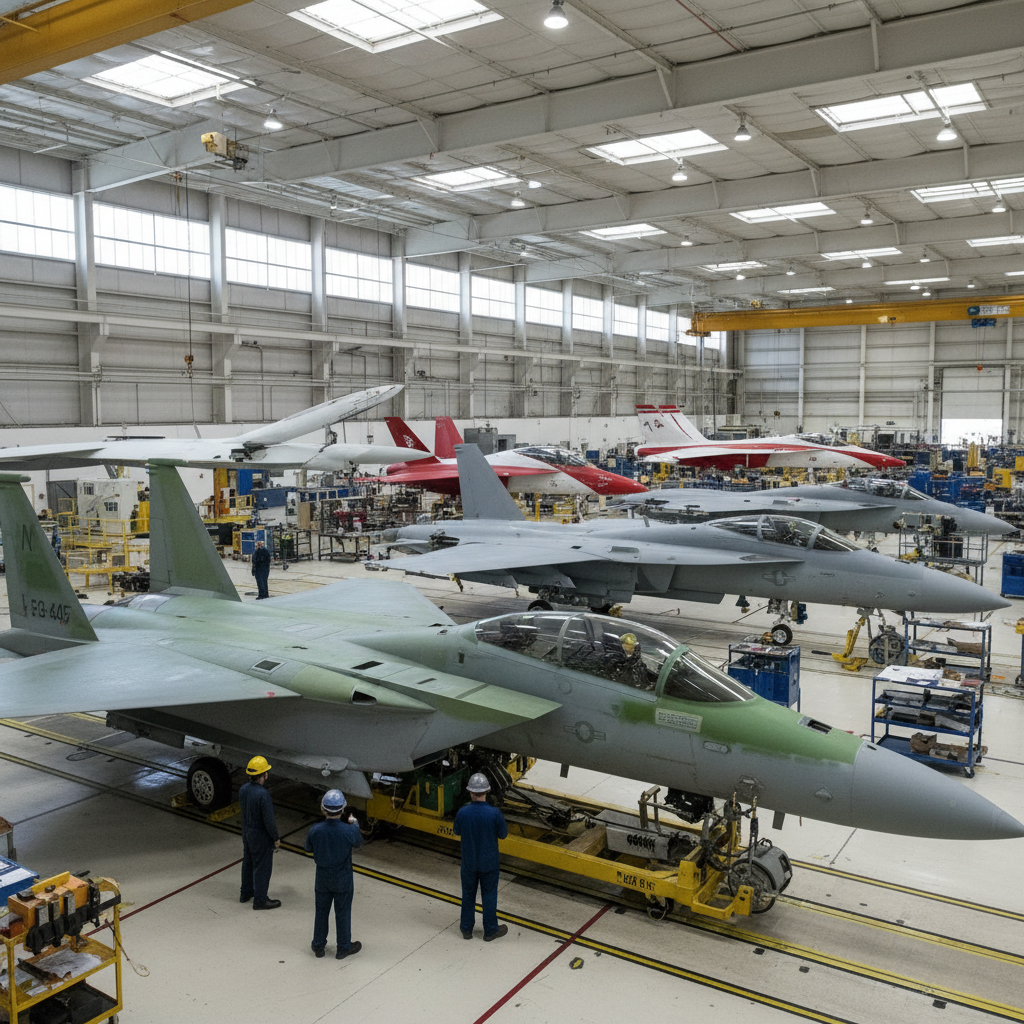
Boeing defense strike ends after 101 days, allowing key military production to restart in St. Louis.
Workers at Boeing Defense in St. Louis, Missouri, voted to approve a revised contract on November 15, 2025, ending a 101-day work stoppage that affected more than 2,500 employees. The new deal covers staff at facilities that build F-15, F/A-18, T-7A and MQ-25 aircraft and addresses pay, benefits and job security.
The settlement is set to restart production lines that supply the U.S. military and allied air forces. Plant delays and part shortages during the strike had disrupted the defense supply chain and created uncertainty for scheduled deliveries across multiple programs.
Resuming work restores capacity on aircraft programs critical to readiness. F-15 and F/A-18 fighters are front-line platforms for the U.S. Air Force and U.S. Navy respectively, while the T-7A is a trainer program and the MQ-25 is an unmanned aerial refueling asset. Restarting output helps stabilise contractor schedules and subcontractor workloads.
Union and management statements said the agreement included compromise on compensation and protections intended to reduce future disruptions. While details of wage steps and benefit changes were not published in the announcement available to reporters, both sides framed the deal as a path to stabilise production and support national defense commitments.
Industry watchers will be tracking delivery schedules and whether Boeing can clear the backlog created by the walkout. For pilots, maintainers and defense planners, the end of the strike removes a major near-term risk to aircraft availability and modernization timelines.