Physical Address
304 North Cardinal St.
Dorchester Center, MA 02124
Physical Address
304 North Cardinal St.
Dorchester Center, MA 02124
Global aviation news tracker
Global aviation news tracker
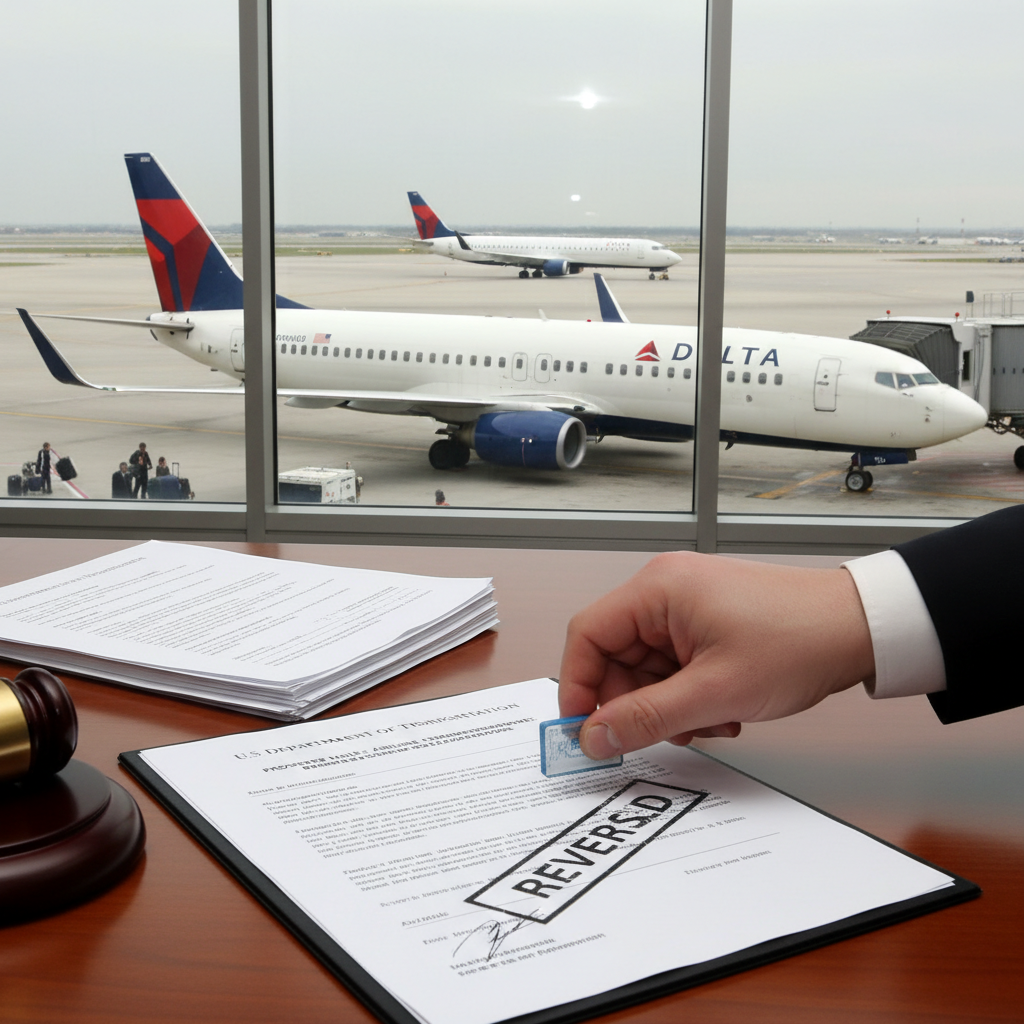
The Trump administration has formally pulled a Biden-era rule that would have required US airlines to provide flight delay compensation to passengers.
The move removes a proposed requirement for carriers to pay passengers when flights are delayed — a policy change that reshapes consumer protections in US aviation. The decision reverses a Biden administration proposal intended to create clearer, enforceable payouts for travelers affected by significant delays.
Agencies and passenger advocates had argued the proposal would boost airline accountability and give flyers a clearer path to reimbursements. Industry groups countered that such mandates could increase costs, complicate operations, and leave airlines exposed to inconsistent enforcement across routes and carriers.
With the rule withdrawn, airlines are no longer on the hook for standardized delay payouts under the proposed regulation. That leaves current practices — which vary by carrier and depend on each airline’s contract of carriage — as the default. Passengers still retain rights under existing federal regulations for tarmac delays and denied boarding, but automatic cash compensation for routine delays is no longer on the regulatory horizon.
Travelers who experience long delays may still be eligible for vouchers, refunds, or accommodations depending on the airline and the reason for the delay, but outcomes will depend on each carrier’s policies rather than a uniform federal standard. Consumer groups have vowed to monitor the rollback and may push for congressional or state-level action to fill the gap.
The regulatory change also signals a broader shift in administrative approach: the current administration prefers less prescriptive rulemaking in this area than its predecessor. For flyers, that means predictable change is unlikely in the short term, and any future shift toward mandatory delay payouts would require a new proposal, public comment, and a full rulemaking process.