Physical Address
304 North Cardinal St.
Dorchester Center, MA 02124
Physical Address
304 North Cardinal St.
Dorchester Center, MA 02124
Global aviation news tracker
Global aviation news tracker
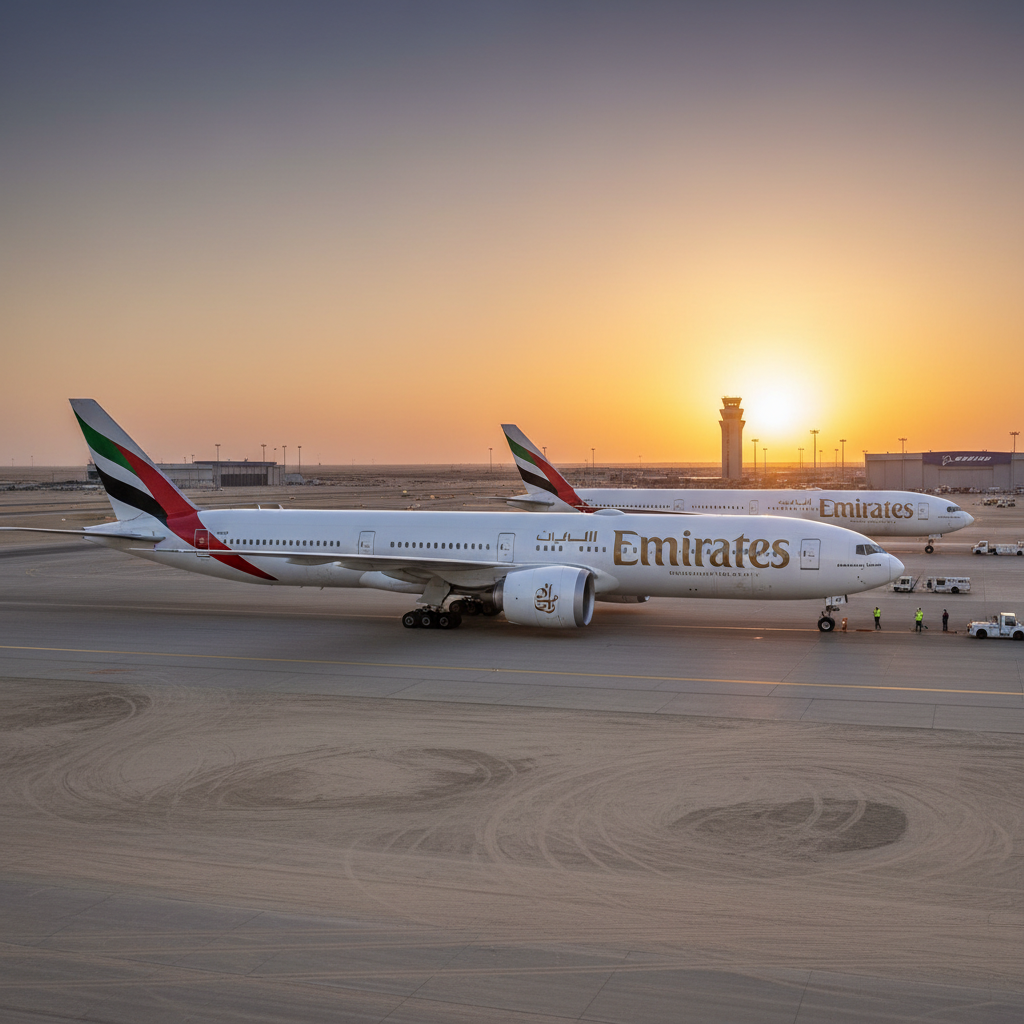
Emirates has placed a $38 billion order for 65 Boeing 777-9 jets to expand its long‑haul fleet and reinforce Boeing’s 777X backlog.
In 2025, Emirates orders 777-9 marked one of the largest commercial aviation deals of the year: the Dubai-based carrier (IATA: EK) confirmed a commitment for 65 Boeing 777-9 aircraft, each expected to be powered by GE Aerospace’s GE9X engines. The deal, valued at roughly $38 billion at list prices, underscores Emirates’ fleet renewal and long-haul growth strategy centered on the 777X family.
The 777-9 is Boeing’s flagship next‑generation twin‑aisle designed for high-capacity, long-range routes. For Emirates (EK), which operates a global hub out of Dubai (DXB), the addition of 65 777-9s will support route expansion and replace older widebodies as the airline modernizes cabin products and improves fuel efficiency compared with legacy models.
Boeing benefits by bolstering the 777X production backlog, while GE Aerospace secures significant engine production work for the GE9X. While list prices and headline values often differ from final contract pricing, the announcement sends a clear market signal: major Gulf carriers continue to favor large twin-aisle aircraft for premium and high‑density long-haul markets.
Specific delivery schedules and purchase agreement details were not disclosed publicly; airlines frequently stagger deliveries over several years and may finalize pricing with manufacturer discounts. Emirates’ move nevertheless confirms continued industry appetite for large twin‑aisles as international travel rebounds and network planners target longer nonstop routes.