Physical Address
304 North Cardinal St.
Dorchester Center, MA 02124
Physical Address
304 North Cardinal St.
Dorchester Center, MA 02124
Global aviation news tracker
Global aviation news tracker
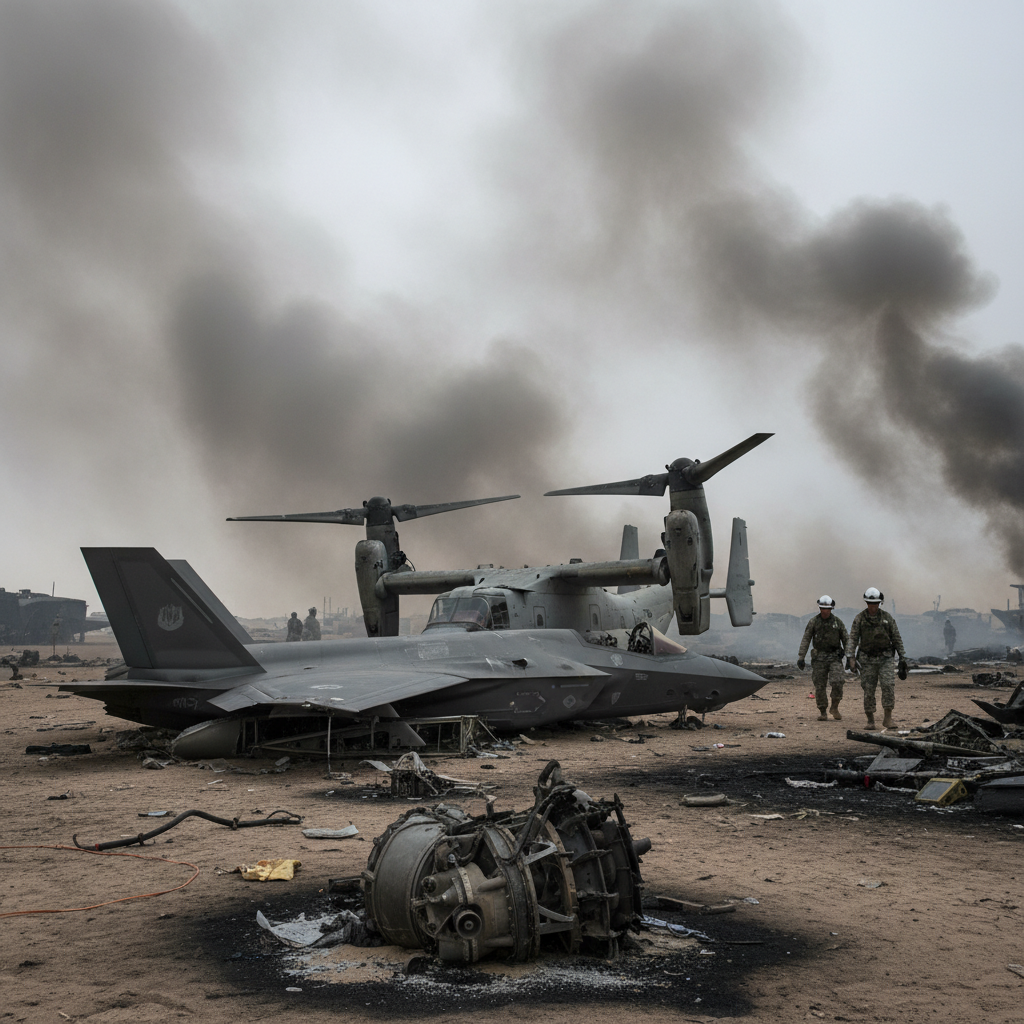
Pentagon data released November 19, 2025, shows a marked increase in military aviation accidents between 2020 and 2024.
The Pentagon report, published by the U.S. Department of Defense (DoD) on November 19, 2025, documents a worrying rise in military aviation accidents from 2020–2024. Over that five-year span the data records 90 fatalities and losses measured in the billions of dollars, signaling growing safety and maintenance strains across the armed services.
Officials say the uptick spans multiple aircraft types — including fighters, helicopters, transports and training aircraft — across the U.S. Air Force, Navy and Army aviation units. The DoD attributes the trend to a mixture of aging airframes, high operational tempo and supply-chain pressure that has complicated parts availability and maintenance cycles.
While the report does not single out specific models or list flight numbers, it emphasizes systemic pressures: more sorties, deferred depot-level maintenance, and workforce gaps in skilled maintainers. Analysts expect the findings to trigger internal reviews of operational protocols and renewed requests for funding to safety programs and spare parts procurement.
The report’s release comes amid broader budget debates over readiness and modernization. Lawmakers and defense leaders will likely use the data to argue for prioritizing sustainment funding alongside new platforms. For aircrews and maintenance crews on the ground, the immediate question is how fast the services can close gaps without hampering ongoing missions.
Expect follow-up audits and potential policy changes in 2026 as the DoD refines its safety posture. Until then, the report stands as a blunt reminder: equipment procurement alone won’t stop losses — consistent maintenance, parts supply and experienced personnel are equally critical to reducing accidents and protecting lives.