Physical Address
304 North Cardinal St.
Dorchester Center, MA 02124
Physical Address
304 North Cardinal St.
Dorchester Center, MA 02124
Global aviation news tracker
Global aviation news tracker
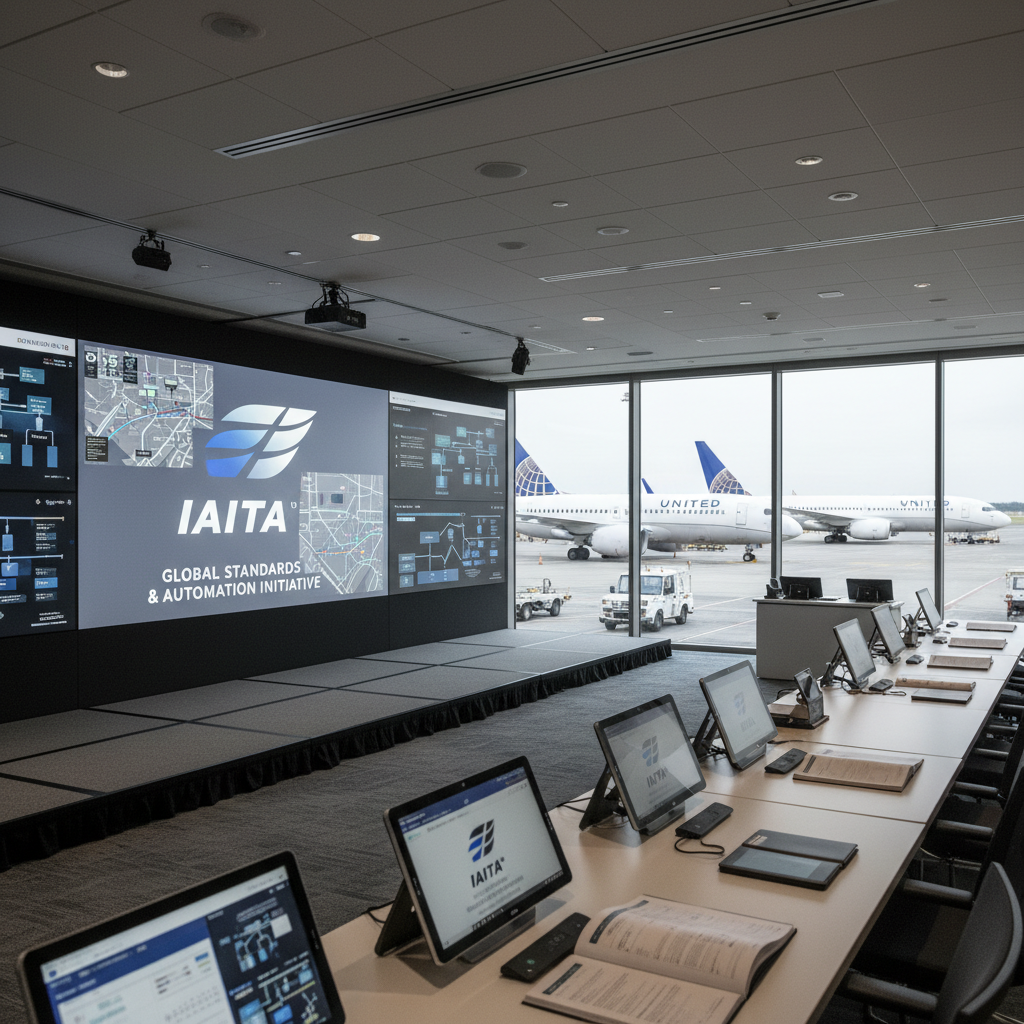
IATA releases harmonized guidance to speed digital check‑ins and biometric flows across airports and airlines.
The IATA passenger experience standards from the International Air Transport Association (IATA) aim to help airlines and airports align on consistent customer processes while accelerating AI (artificial intelligence) and automation adoption. The updated Passenger Experience Manuals provide practical steps for integrating technologies such as biometric screening, self‑service kiosks and touchless digital touchpoints, with the goal of simplifying passenger flows and lowering industry operating costs.
Airports and carriers in Europe and North America are already using these frameworks to test automated bag drop, contactless ID checks and real‑time queue management. By standardizing how systems talk to each other, IATA expects fewer handoffs, fewer delays and clearer passenger communications — all things that improve on‑time performance and service reliability without sacrificing privacy or safety.
Rather than prescribing a single vendor or tech stack, the manuals emphasize interoperability, data governance and clear passenger consent. For operations teams, that means mapping touchpoints, automating repeatable tasks and validating biometric and AI workflows against privacy rules and local regulations. The documents also advise airports and airlines on testing regimes and passenger signage to reduce confusion during rollout.
The practical effect for travelers should be faster processing at check‑in and security, clearer updates when disruptions happen, and fewer manual touchpoints. For airline and airport operators, the benefits are measured in lower variable costs, improved throughput and a regulatory environment that increasingly favors tech‑driven efficiency. Expect phased implementations and pilot programs as stakeholders test compliance across jurisdictions.
Ultimately, these standards signal a broader shift: industry bodies and regulators are aligning behind digital solutions that scale. For Gen‑Z and millennial flyers who expect seamless, app‑driven experiences, the changes mean airports and airlines will increasingly look—and feel—like the rest of the connected world.