Physical Address
304 North Cardinal St.
Dorchester Center, MA 02124
Physical Address
304 North Cardinal St.
Dorchester Center, MA 02124
Global aviation news tracker
Global aviation news tracker
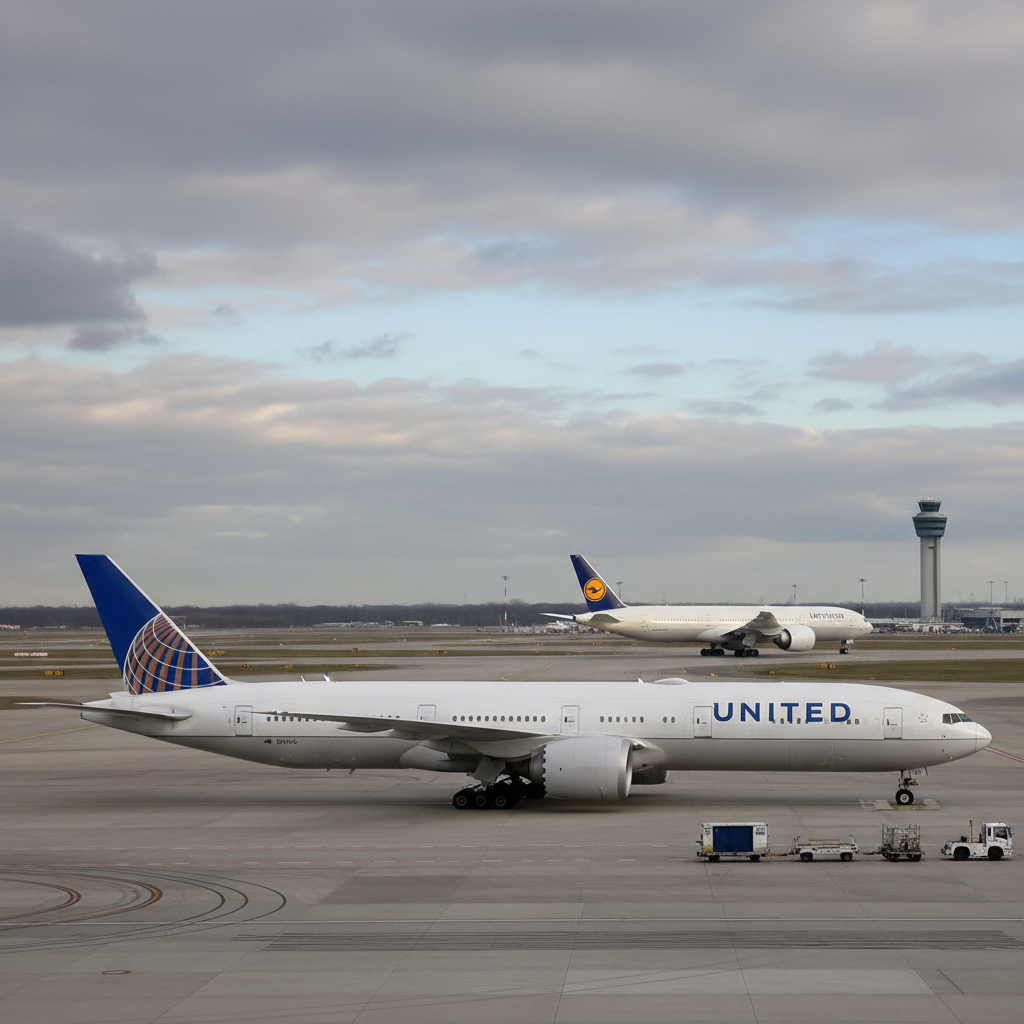
Boeing 777-9 entry into service is now scheduled for 2027 as the Federal Aviation Administration (FAA) extends its certification process.
Boeing confirmed the delay for the 777-9 widebody, citing protracted FAA reviews and remaining technical challenges that require a phased certification approach. The company says the extended timeline reflects heightened regulatory scrutiny following previous safety incidents and the FAA’s step‑by‑step certification plan.
Airlines in the United States and Europe are already feeling the pinch. With the 777-9 now slipping into 2027, carriers that planned fleet renewals around the type are adjusting capacity and network plans, prioritising key long‑haul routes and seeking stopgap solutions to keep schedules intact.
Major operators that had relied on the 777-9 to replace older widebodies will face a tighter market for available aircraft. Leasing demand for freighters and passenger widebodies is expected to rise, while some airlines may redeploy existing fleets, extend aircraft service lives, or accelerate orders for alternative types. The phased certification approach also means airlines will receive aircraft on a staggered timetable once approvals are complete.
Regulators and airlines are prioritising safety and reliability, which drives the slower timetable. Boeing’s timeline shows the company is cooperating with the FAA’s layered checks; however, the gap until 2027 intensifies the shortfall of modern twin‑aisle jets available to replace ageing frames.
For passengers, the immediate effects will be subtle route‑by‑route changes rather than widespread cancellations. For the industry, the delay underscores how certification complexity and regulatory scrutiny can ripple through airline networks and the leasing market for years after a programme’s launch.