Physical Address
304 North Cardinal St.
Dorchester Center, MA 02124
Physical Address
304 North Cardinal St.
Dorchester Center, MA 02124
Global aviation news tracker
Global aviation news tracker
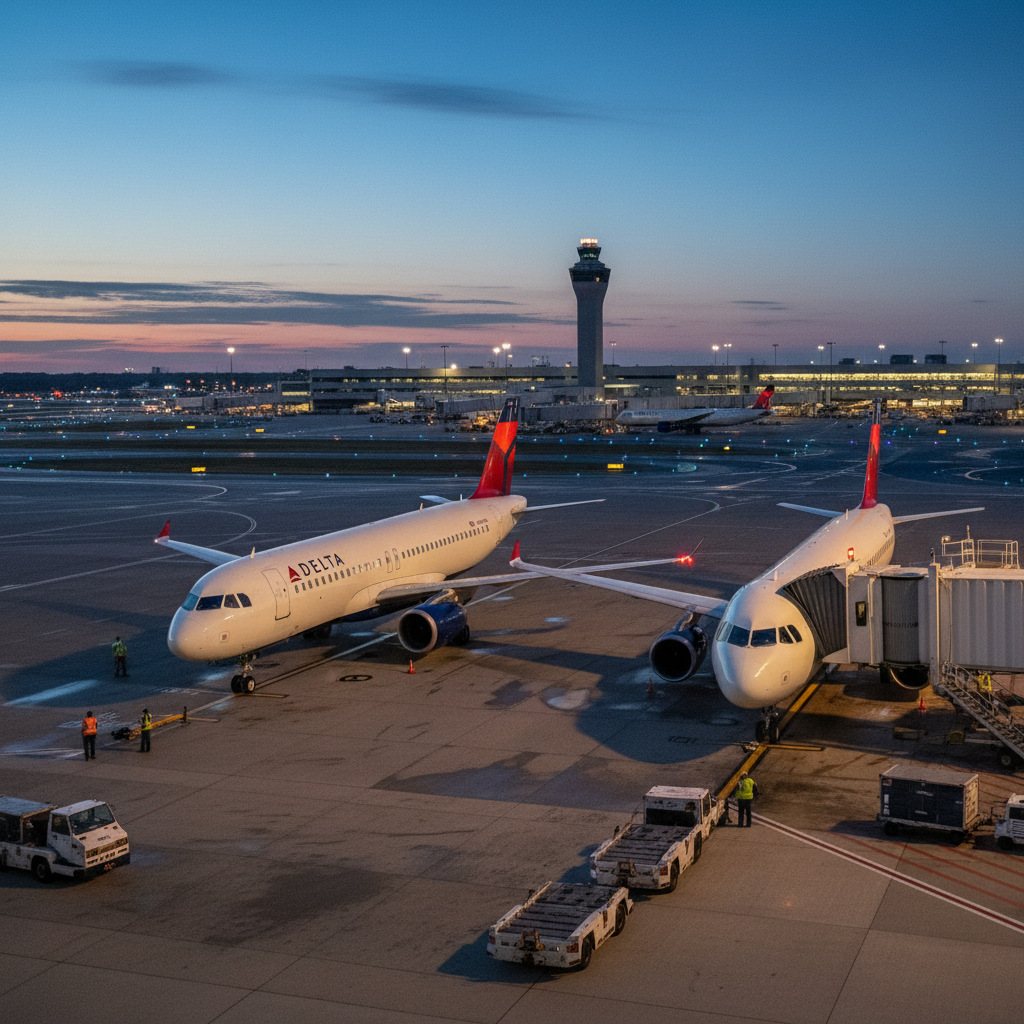
Airports and regulators are exploring congestion pricing to unclog peak-time runways and terminals.
Several major U.S. airports, including Atlanta Hartsfield-Jackson (ATL), are studying congestion pricing as a tool to reduce chronic delays and improve passenger flow. The idea: charge airlines higher fees during peak windows so carriers have an incentive to shift flights to off-peak hours, easing pressure on ATC (air traffic control) and airport infrastructure.
Supporters say congestion pricing can target the busiest periods without building new runways, potentially smoothing taxiway and gate bottlenecks and improving on-time performance for travelers. Opponents worry about cost pass-through to passengers and impacts on connections at large hubs where many airlines rely on tight schedules.
Operationally, congestion pricing could change how airlines schedule aircraft and crews, and influence fleet use at major hubs. While the proposal focuses on pricing rather than route bans, it may alter peak-slot behavior for narrowbodies and widebodies alike. Airports are expected to coordinate with carriers and ATC to design windows and fee levels that balance traffic reduction with network needs.
Design details matter: which hours count as “peak,” how fees scale, and whether waivers exist for essential or connecting flights. Any program would likely roll out in phases and rely on clear metrics such as average delay minutes, runway throughput, and gate occupancy before and after implementation.
For travelers, the change could mean fewer cascading delays at large airports and smoother connections — but possibly higher ticket prices for peak-time flyers. Airports and carriers will need transparent communication and data-driven metrics if congestion pricing moves from concept to reality.