Physical Address
304 North Cardinal St.
Dorchester Center, MA 02124
Physical Address
304 North Cardinal St.
Dorchester Center, MA 02124
Global aviation news tracker
Global aviation news tracker
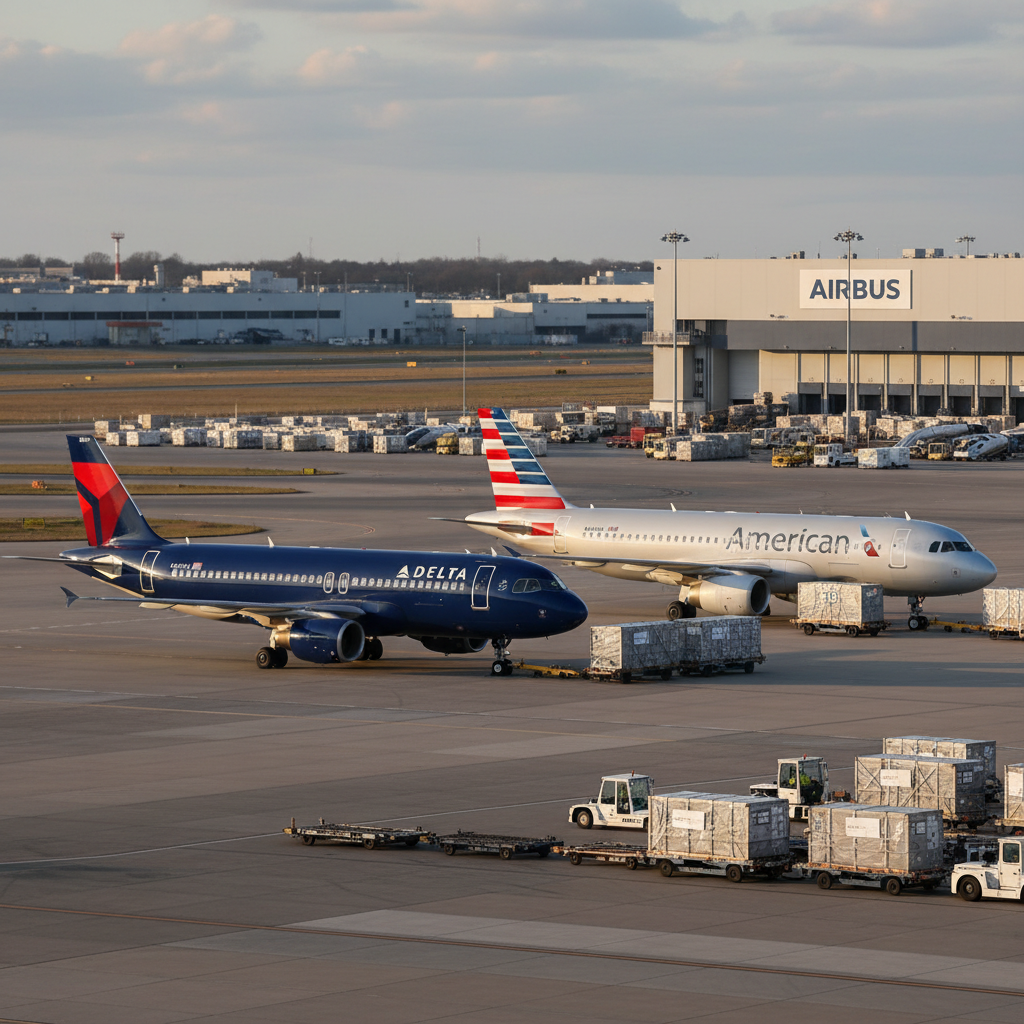
Airbus needs a production sprint after October 2025 deliveries left its annual target looking shaky.
Airbus deliveries recorded 78 aircraft in October 2025, raising the year-to-date total to 585 aircraft; the tally included 63 widebodies — 23 A330s and 40 A350s. But persistent supply-chain pressure, especially engine shortages, has raised fresh doubts about whether Airbus can meet its 820-aircraft target for the year.
Engine availability has become a choke point for production lines across the Western aviation sector. With only two months left in the year, Airbus would need 235 deliveries in November and December to hit 820 — a pace that would require significantly faster manufacturing and delivery cycles than recent months delivered.
The delivery shortfall has a real-world cost. Industry estimates flag more than $11 billion in 2025 losses for airlines tied to late deliveries, driven by excess fuel burn from older aircraft, lost ticket revenue, and extra maintenance while carriers patch capacity gaps.
That math explains why airline operators and lessors are watching Airbus closely. Delays ripple through networks: airlines delay route growth, postpone aircraft retirements, and sometimes lease interim jets to plug gaps. The result is higher operating costs and logistical strain during peak travel periods.
Airbus has historically stepped up production when supply issues eased, but the current bottlenecks — notably engines and some subassembly parts — underline the fragility of modern, stretched global supply chains. For airlines planning fleet transitions and sustainability moves, the timing is poor: delayed A350 and A330 deliveries also slow planned retirements of older, less efficient types.
Expect industry stakeholders to press suppliers and regulators for accelerated fixes through November and December. If Airbus can’t materially increase monthly deliveries, carriers will likely see continued financial and operational impacts into 2026.