Physical Address
304 North Cardinal St.
Dorchester Center, MA 02124
Physical Address
304 North Cardinal St.
Dorchester Center, MA 02124
Global aviation news tracker
Global aviation news tracker
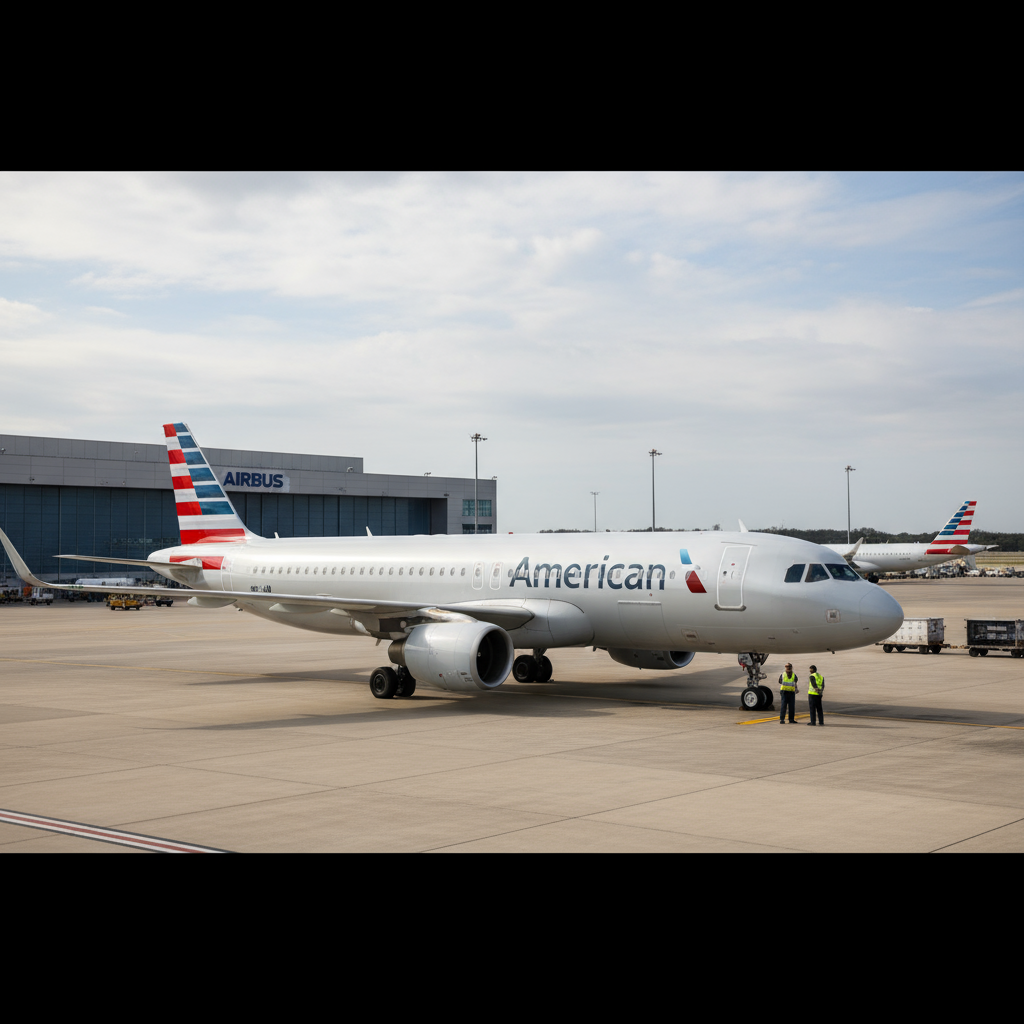
Airbus handed the first A321XLR to American Airlines (AA / AAL), registration N500AA, in Hamburg, Germany.
American Airlines (AA / AAL) received the inaugural Airbus A321XLR in a delivery ceremony in Hamburg, Germany. The aircraft, registered N500AA, is billed as a game-changer for single-aisle long-haul flying — bringing extra range and improved fuel efficiency that will let the carrier launch new nonstop transatlantic and extended domestic routes.
The A321XLR (extra-long-range) extends the reach of narrowbody operations, enabling city pairs that previously required widebodies or connections. For American, the type supports fleet modernization and sustainability goals by reducing per-seat fuel burn on suitable long thin routes. Airbus says further deliveries to major Western carriers are expected in coming months, as airlines rework networks around longer single-aisle legs.
The aircraft’s registration, N500AA, ties it clearly to American’s fleet strategy. While Airbus and American did not release a specific entry-into-service date in the ceremony notes, the plane is slated for transatlantic and long-range domestic schedules once it completes operational checks and regulatory tasks.
Operationally, the A321XLR lets airlines test demand on routes that are too thin for a widebody but too long for standard single-aisle types. That flexibility can create nonstop leisure and business links between secondary airports as well as reduce the need for connecting flights. For passengers, the promise is more direct options; for airlines, a lower-cost, lower-emissions way to open markets.
Airbus expects the type to join more carriers’ fleets in the near term, reshaping transatlantic patterns and domestic long-haul networks. For American, the A321XLR is a clear signal that the airline intends to press for network growth while trimming unit emissions and fleet complexity.