Physical Address
304 North Cardinal St.
Dorchester Center, MA 02124
Physical Address
304 North Cardinal St.
Dorchester Center, MA 02124
Global aviation news tracker
Global aviation news tracker
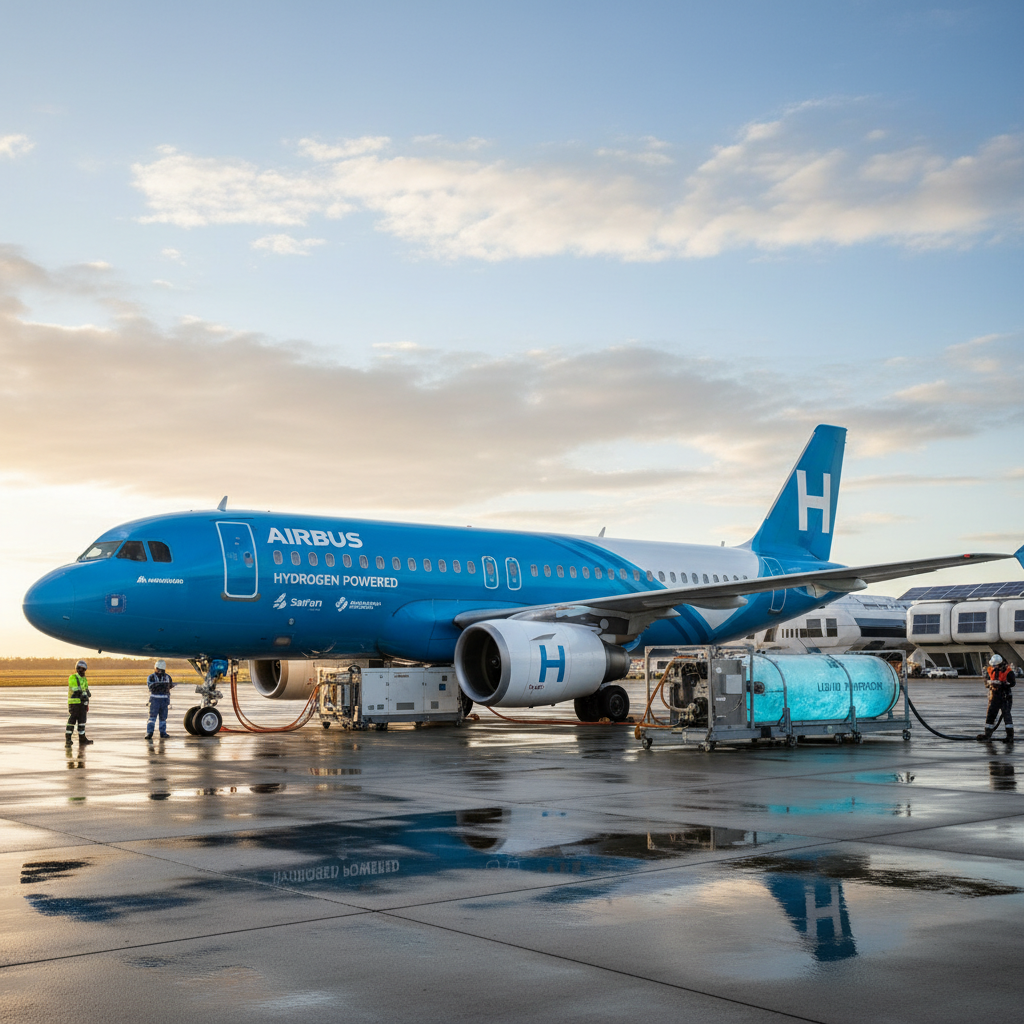
Airbus, Safran and Dassault have launched a European drive to scale hydrogen propulsion for commercial aviation.
The agreement, signed in Toulouse on November 6, 2025, commits the three firms to accelerate hydrogen propulsion development and testing for Airbus demonstrator aircraft, with the aim of integrating fuel‑cell and related systems into demonstrators by 2028. The move is explicitly framed to support European Union climate targets and broader zero‑emission aviation ambitions.
Under the deal, Safran brings propulsion systems expertise while Dassault Aviation will focus on systems integration and avionics interfaces. Airbus will host and coordinate demonstrator programmes and trials, seeking regulatory alignment with European authorities and certification pathways for novel hydrogen systems.
The collaboration targets hydrogen fuel‑cell propulsion and supporting infrastructure — not a single airliner model today. Work will include ground testing, lab integration and flight demonstrators. The partners say the priority is compliance with EU rules and ensuring demonstrators meet safety and operational standards ahead of larger scale development.
Industry observers note this is a pragmatic step: demonstrators are a proven route to validate new propulsion before committing to fleet programmes. The pact emphasises engineering milestones and regulatory engagement rather than immediate commercial service dates. For now, the companies will concentrate on testing, safety cases and supply‑chain readiness for future hydrogen operations.
The partnership marks a visible push from Western European aerospace players to stay competitive in zero‑emission aviation. Expect progress updates as ground tests begin and as the three firms engage European regulators and research partners over the coming months.