Physical Address
304 North Cardinal St.
Dorchester Center, MA 02124
Physical Address
304 North Cardinal St.
Dorchester Center, MA 02124
Global aviation news tracker
Global aviation news tracker
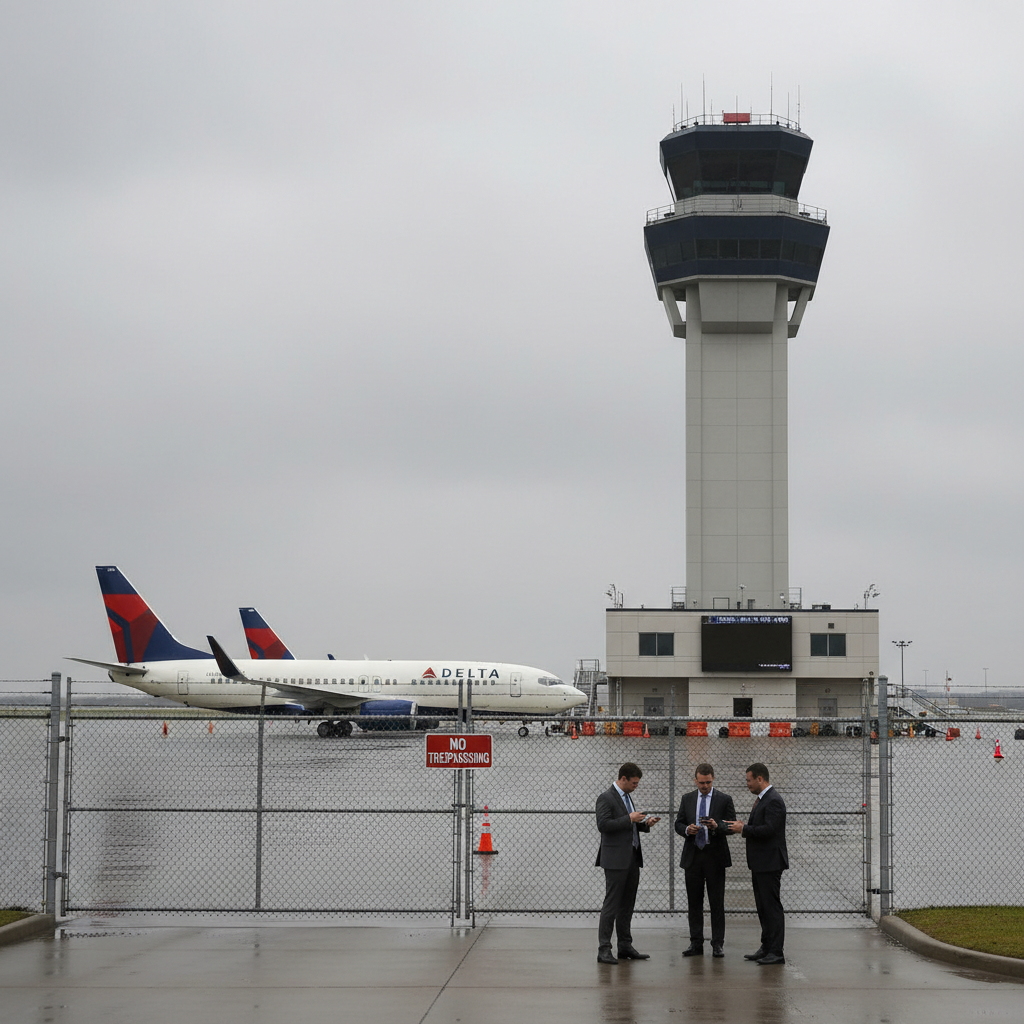
The US government shutdown has reignited the debate over ATC privatization and how to modernize national airspace governance.
The shutdown spotlighted vulnerabilities in the current system and pushed calls for accelerated modernization — but many industry groups caution that ATC privatization is not the silver bullet. The phrase “ATC privatization” now appears across policy briefs and trade statements, with stakeholders saying upgrades are needed for efficiency, resilience and passenger confidence without surrendering public oversight.
Supporters of reform argue the US needs faster investment in next-generation systems, digital communications and redundancy to handle increasing traffic and cyber threats. Opponents counter that moving air traffic control out of public hands risks fragmenting governance, weakening safety oversight and raising costs for smaller carriers and general aviation operators. The conversation centers on trade-offs between private-sector agility and public-sector accountability.
Industry associations, labor groups and consumer advocates are stressing a few common points: upgrade the Federal Aviation Administration (FAA) systems, protect frontline controllers’ expertise, and maintain transparent regulation. They want clear timelines for modernization projects and funding mechanisms that don’t rely on ad hoc political bargaining during shutdowns or budget impasses.
Policymakers face pressure to propose concrete alternatives — from dedicated modernization funds to public–private partnerships that keep strategic control with the FAA. Any proposal will be judged on safety metrics, continuity of service, costs passed to airlines (and ultimately passengers), and how well it supports smaller regional operators and private flyers.
For travelers and aviation professionals alike, the renewed debate matters: airspace management affects delays, reroutes, resilience during crises, and how quickly new technologies like satellite-based navigation or remote towers can be deployed. Expect lawmakers, unions and industry groups to press their cases in the coming months as the political landscape shifts and funding priorities are re-evaluated.