Physical Address
304 North Cardinal St.
Dorchester Center, MA 02124
Physical Address
304 North Cardinal St.
Dorchester Center, MA 02124
Global aviation news tracker
Global aviation news tracker
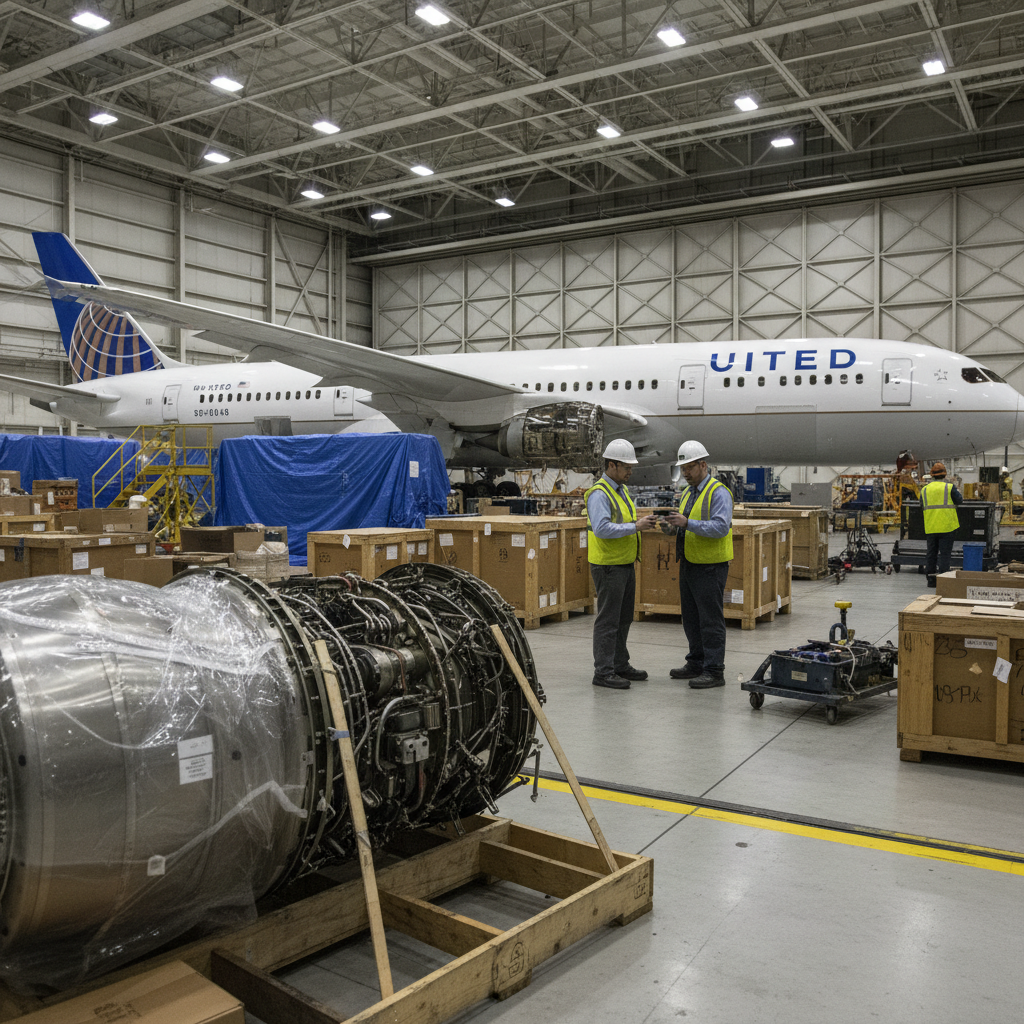
OEMs (original equipment manufacturers) are pressing for tariff-linked price hikes as supply-chain bottlenecks and rising input costs bite.
Manufacturers of aircraft and engines are warning that ongoing supply-chain disruption — from delayed parts to higher raw-material prices — is forcing them to seek tariff-linked price hikes to protect margins. Aircraft and engine sales remain tariff-exempt in many markets, but many critical components and raw materials do not, creating a cost squeeze upstream.
That squeeze is already showing in commercial metrics: analysts estimate roughly USD 11 billion in sector losses for 2025 tied to delayed deliveries, heavier maintenance bills, longer leasing cycles and higher inventory costs. Airlines and lessors are pushing back, raising the risk of contract renegotiations or softer order demand if suppliers pass through higher charges.
Suppliers face unpredictable input-price volatility, higher freight and longer lead times. Tariff-linked price hikes are being framed as a way to tie contract pricing to external trade policy and commodity swings, rather than absorbing shocks internally. That model shifts commercial and regulatory pressure onto carriers and governments to stabilise trade rules or accept higher list prices.
For airlines — many of which operate on thin margins after pandemic recovery — the prospect of higher supplier pricing complicates fleet planning and capital allocation. Lessors, maintenance providers and airports also feel the knock-on effects when deliveries slip or parts availability falls short. Regulators are watching as well; trade policy decisions that exempt final aircraft but not subcomponents can unintentionally incentivise price uplifts.
Industry stakeholders say the outcome will hinge on three levers: how governments handle component tariffs, whether OEMs can stabilise supplier chains, and whether airlines accept contract clauses that increase price adjustability. Expect commercial negotiations and policy debates to intensify through the year as the market seeks an equilibrium between supply resilience and affordable air travel.