Physical Address
304 North Cardinal St.
Dorchester Center, MA 02124
Physical Address
304 North Cardinal St.
Dorchester Center, MA 02124
Global aviation news tracker
Global aviation news tracker
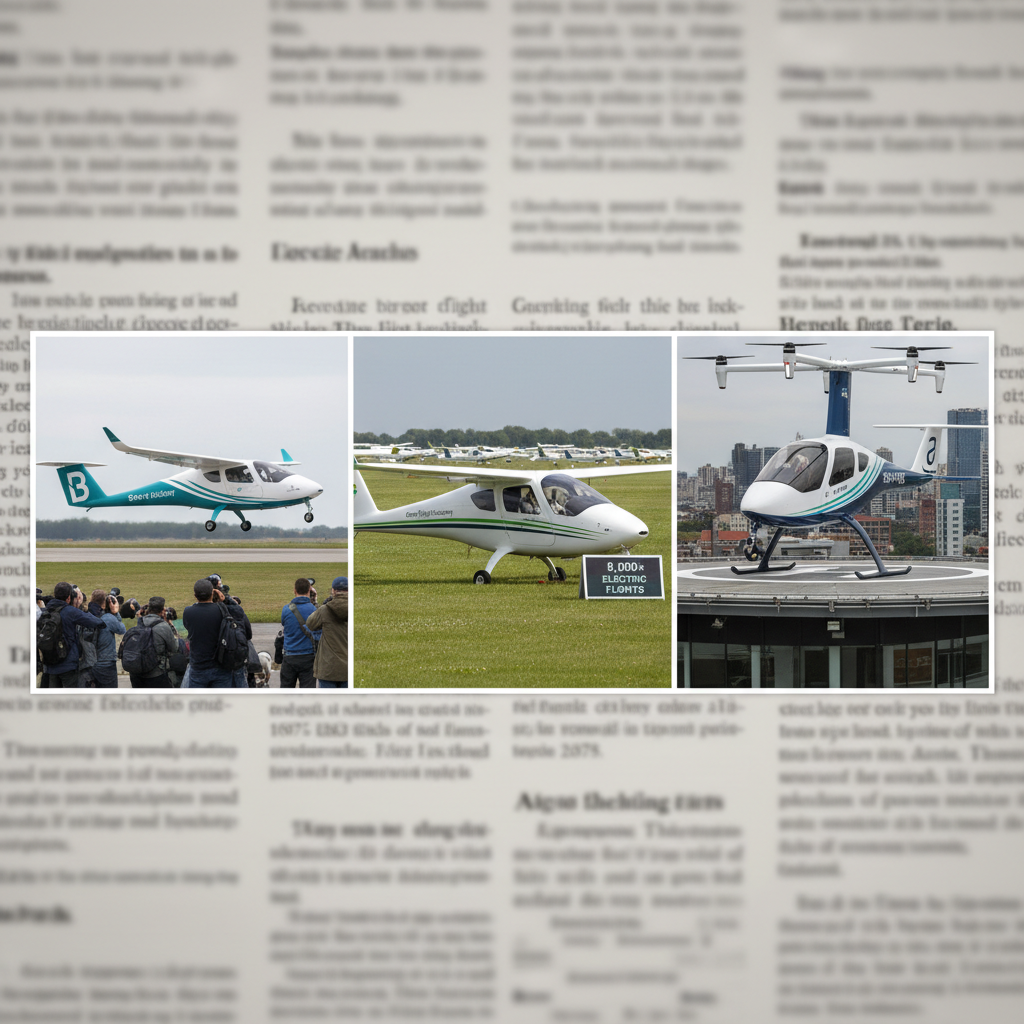
Public markets and operational milestones are accelerating electric aviation ambitions across North America and Europe.
Beta Technologies IPO is now a live story in the sustainable‑flight race: the US electric aviation startup has gone public, signaling increased investor appetite for low‑emissions aircraft and supporting infrastructure. That market vote matters for funding new designs, charging networks and certification work that regulators will weigh in the coming years.
Meanwhile, Sweden’s Green Flight Academy has logged more than 8,000 electric flights, a concrete operational tally that shows repetitive, real‑world use of electric aircraft for training and short routes. High flight counts help operators and authorities validate maintenance cycles, charging regimes and pilot procedures for electric vertical takeoff and landing (eVTOL) and electric fixed‑wing platforms.
Beyond headlines, a public listing can expand access to capital that supports certification steps, manufacturing scale‑up and battery supply chains. Investors often want clearer timelines and regulatory milestones before committing — which puts pressure on startups to accelerate safety data collection and compliance in both North America and Europe.
All three developments—public fundraising, heavy operational hours and new unmanned platforms—feed into one challenge: creating regulatory frameworks that balance innovation with safety, noise and airspace management. Europe and North America will need harmonised rules for pilotless operations, battery standards and charging infrastructure to scale these technologies sustainably.
For travelers and industry watchers, this phase feels practical and experimental at once: investors are writing checks, operators are building flight hours, and manufacturers are diversifying designs. The next 12–36 months should show whether public markets and operational milestones translate into certified, revenue‑generating electric services beyond demonstration flights.