Physical Address
304 North Cardinal St.
Dorchester Center, MA 02124
Physical Address
304 North Cardinal St.
Dorchester Center, MA 02124
Global aviation news tracker
Global aviation news tracker
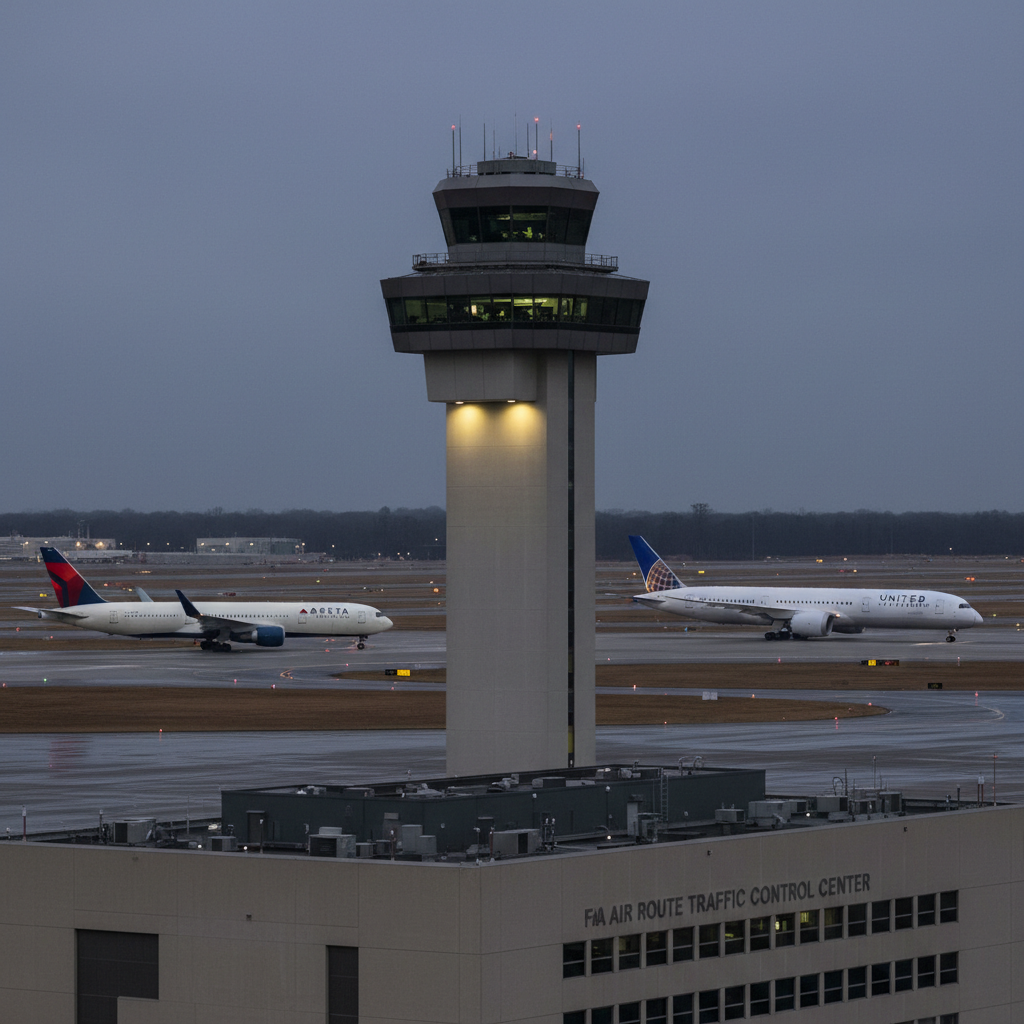
U.S. carriers warn operational chaos could return unless controller pay and staffing are fixed.
Congress introduced a bipartisan bill on November 19, 2025 to shore up air traffic controller pay — a move intended to address chronic staffing gaps and funding instability at the Federal Aviation Administration (FAA). The proposal targets the pay structure for ATC (air traffic control) personnel to help prevent the kinds of delays and cancellations that rattled American Airlines, Delta and United Airlines earlier this year.
Airlines have publicly linked recent waves of disruptions to understaffed control centers and unpredictable funding for controller hiring and training. While carriers differ in fleet and network size, all three major U.S. operators said more stable staffing would reduce the risk of large-scale operational pain during peak travel periods.
ATC (air traffic control) is the backbone of airline operations: when towers and en route centers run short-handed, the FAA imposes flow restrictions or ground delays that ripple through schedules. Lawmakers framing the bill say a clearer, predictable pay model can make controller careers more competitive and reduce turnover — improving system resilience for passengers and carriers alike.
For travelers, the practical upside is fewer last-minute cancellations and smoother summer and holiday travel peaks. For the industry, predictable staffing reduces contingency costs and operational complexity. Lawmakers and aviation stakeholders will now trade details on implementation, funding sources and timelines — with airlines watching closely as the bill moves through committees.
Any change to pay structures will take time to implement. But proponents argue that a legislative fix would send a clear signal to potential hires and to the U.S. aviation system that controller careers are stable, supported, and central to preventing the next big disruption.