Physical Address
304 North Cardinal St.
Dorchester Center, MA 02124
Physical Address
304 North Cardinal St.
Dorchester Center, MA 02124
Global aviation news tracker
Global aviation news tracker
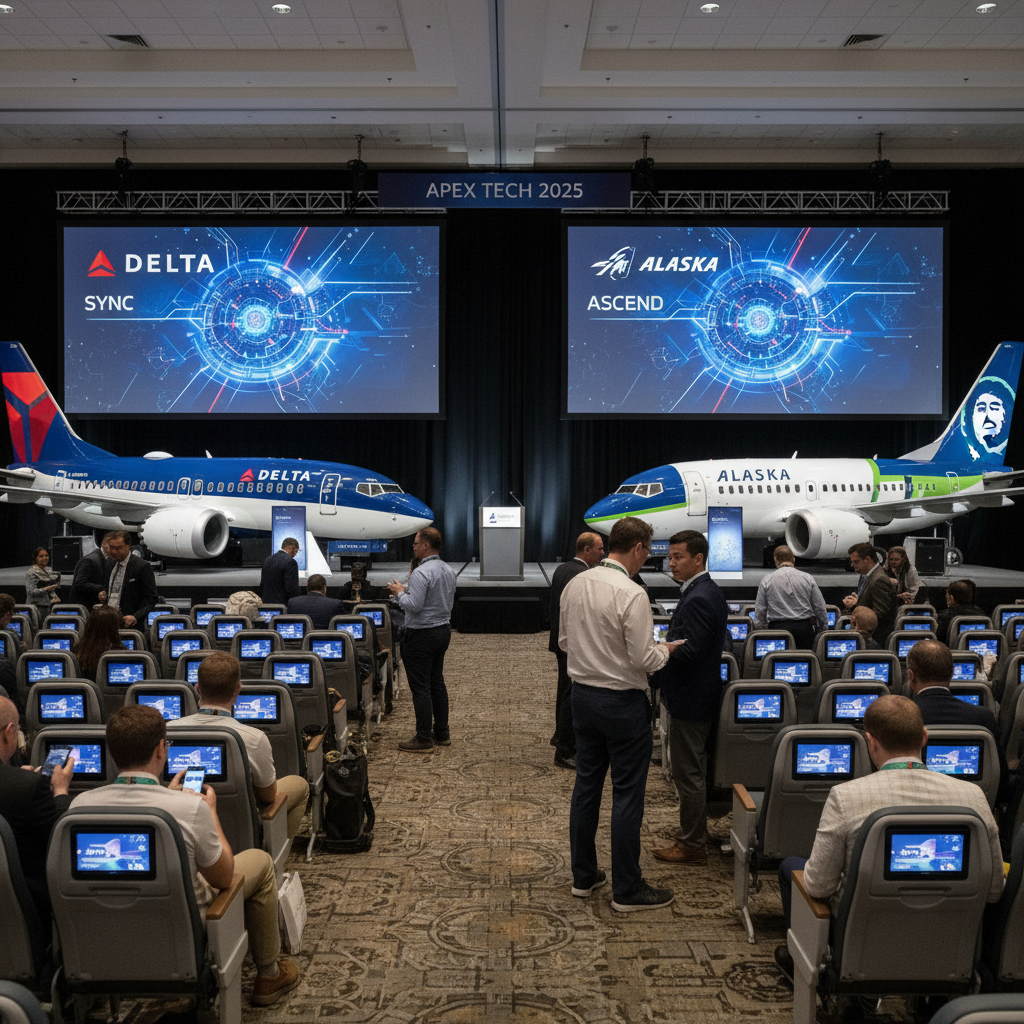
At APEX Tech 2025, U.S. carriers pitched AI as the next seatmate for passengers.
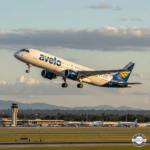
At APEX Tech 2025 in Los Angeles, Delta Air Lines (DL) and Alaska Airlines (AS) laid out fresh moves to upgrade the AI passenger experience. Delta introduced Delta Sync, a new platform that lets SkyMiles members access inflight entertainment without separate subscriptions, while Alaska sketched a dual‑brand, AI‑first roadmap for global growth and tighter loyalty integration.
Delta’s presentation focused on simplifying content access and tying entertainment to loyalty accounts. Alaska’s session emphasized personalization and operational efficiency across its brands, using real‑time data and “invisible” technology to support crew and customers without adding friction.
Both carriers said they’re targeting predictive, frictionless travel by 2030, using AI models and live telemetry to anticipate passenger needs, reduce touchpoints, and smooth connections. The goal: a unified digital ecosystem that combines entertainment, loyalty, and operational tools into one experience.
Expect the shift to show up as subtle changes inside the passenger journey — smarter content suggestions, loyalty perks surfaced at the right moment, and backend automation that helps staff resolve disruptions faster. Delta Sync and Alaska’s dual‑brand plans both lean on real‑time signals to make service feel proactive rather than reactive.
These announcements mark a clear shift toward data‑driven, guest‑centric innovation in U.S. airline operations. Rather than flashy demos, both carriers pitched incremental, systems‑level changes designed to scale across fleets and hubs — and to keep improving as algorithms learn from real flights.