Physical Address
304 North Cardinal St.
Dorchester Center, MA 02124
Physical Address
304 North Cardinal St.
Dorchester Center, MA 02124
Global aviation news tracker
Global aviation news tracker
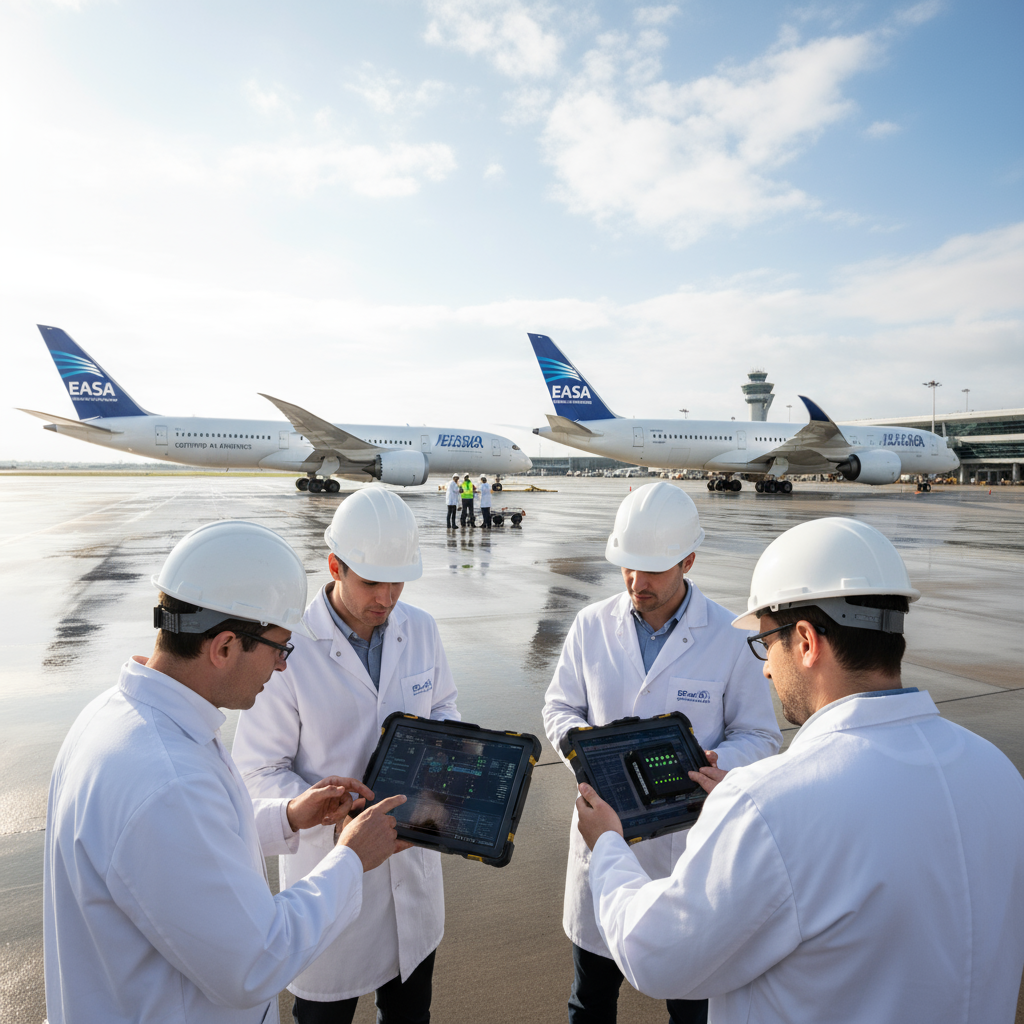
EASA AI guidance sets safety and transparency rules for AI in cockpit and maintenance systems.
The European Union Aviation Safety Agency (EASA) published new guidance on November 10, 2025, outlining how to certify artificial intelligence in avionics. The document — which EASA says is designed to foster innovation while protecting passengers — targets AI use across flight management, predictive maintenance and cockpit decision aids. The framework is open for industry feedback through January 2026.
The guidance emphasises tested safety cases, traceable data, and human‑machine interaction standards. EASA asks manufacturers to document training datasets and to demonstrate how AI behaves under degraded or unexpected conditions. Regulators also want transparency so pilots and maintenance crews can understand AI recommendations rather than treating them as black boxes.
Practical aims include clearer certification pathways for avionics integrators and faster, safer adoption of automation in both commercial and business aviation. EASA’s move echoes wider industry efforts to balance rapid AI innovation with regulatory oversight and passenger safety.
What happens next: after the public consultation closes, EASA will review submissions and may revise the text before publishing a final certification pathway. Aircraft makers and avionics suppliers should prepare compliance plans that include dataset audits, validation cases and human factors testing. Operators will want to assess how upgrades to flight decks or maintenance software align with the new expectations.
For industry stakeholders, the guidance is both a roadmap and a deadline: it clarifies regulator priorities and signals where investment in safety engineering, explainability and system resilience will be needed as AI becomes more embedded in aircraft systems.