Physical Address
304 North Cardinal St.
Dorchester Center, MA 02124
Physical Address
304 North Cardinal St.
Dorchester Center, MA 02124
Global aviation news tracker
Global aviation news tracker

FAA Boeing safety fixes are being pushed onto US fleets after incidents tied to cockpit displays and landing-gear pumps.
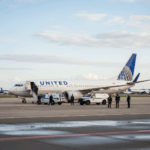
The FAA Boeing safety fixes proposal targets US operators of the Boeing 787 Dreamliner and Boeing 777 (Triple Seven) fleets, asking airlines such as United Airlines (IATA: UA, ICAO: UAL) and American Airlines (IATA: AA, ICAO: AAL) to carry out component replacements and inspections. The agency says the measures address concerns around cockpit panel displays and main landing gear pumps after recent events, including a wheel-well fire linked to an overheating pump.
The directives would affect roughly 165 Dreamliners and about 340 Triple Sevens registered in the United States. Airlines, Boeing and the FAA are coordinating the work plans; carriers have told regulators they expect the inspections and hardware swaps to be completed in phases to limit disruption. Still, short-notice maintenance can lead to temporary delays or cancellations while aircraft are out of service.
Operationally, the impact could ripple through major U.S. hubs and international schedules, especially where 787s and 777s form the backbone of long-haul flying. Grounded aircraft or overnight maintenance holds can cascade into crew reassignments and connection misses—something that affects passengers and downstream sectors like hotels and transit services.
The proposed actions center on removing and replacing specified cockpit display units and main landing-gear pumps, plus follow-up inspections to verify overheating risks are mitigated. Boeing will supply service instructions and replacement parts; airlines will log compliance in maintenance records as required by the FAA.
Passengers booked on affected routes should monitor airline notifications and plan for potential short delays. The FAA’s proposal aims to remove the immediate safety risk while keeping the fleet flying; carriers say they will prioritize safety and communicate changes as work progresses.