Physical Address
304 North Cardinal St.
Dorchester Center, MA 02124
Physical Address
304 North Cardinal St.
Dorchester Center, MA 02124
Global aviation news tracker
Global aviation news tracker
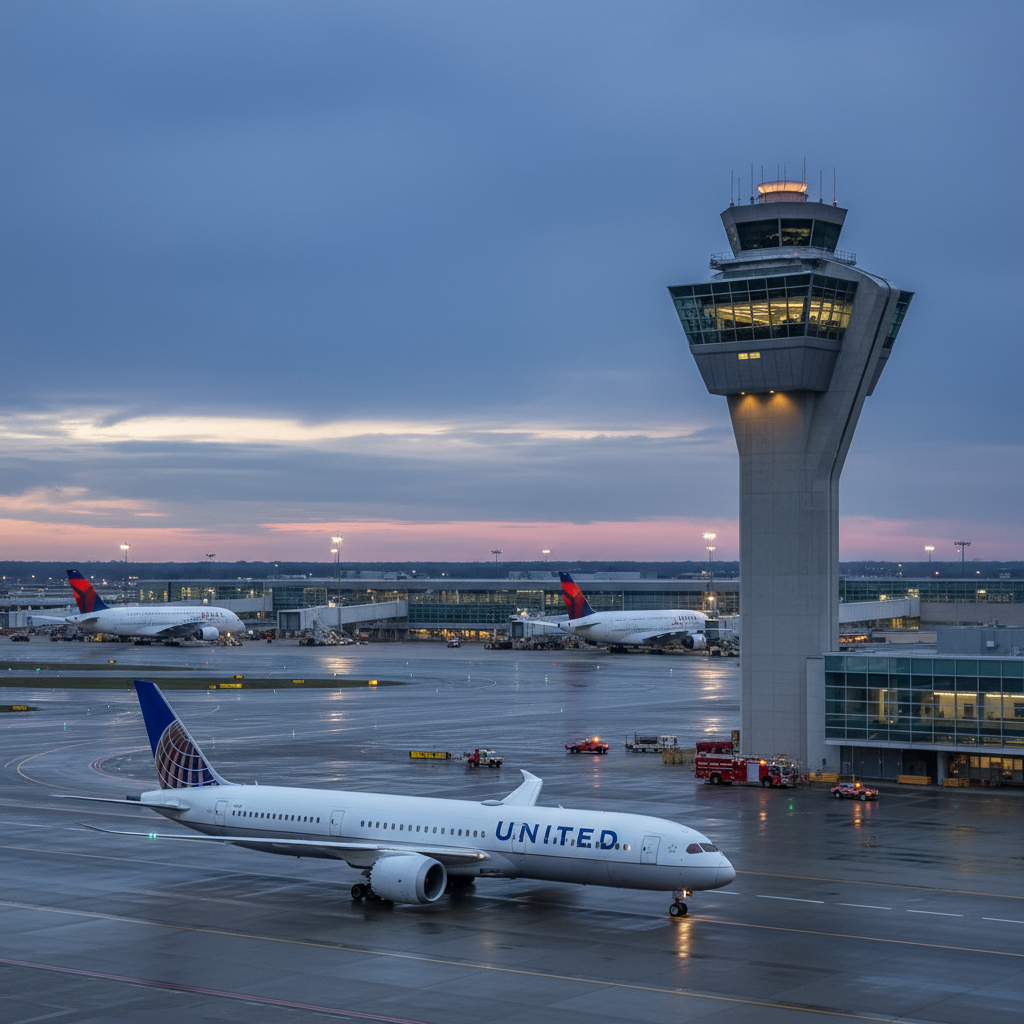
FAA issues emergency order updating US airspace operations effective November 13, 2025.
The FAA emergency order, published with immediate effect on November 13, 2025, modernizes operational protocols across the US national airspace system. The Federal Aviation Administration said the directive replaces an earlier directive and adds updated safety and compliance measures that apply to airlines, airports and air traffic service providers. The move aims to reduce operational risk as traffic volumes rise ahead of the holiday travel period.
The order focuses on clear, enforceable steps for operators and airport authorities. While the FAA did not publish new technical limits for specific aircraft models in the initial release, the directive stresses timely coordination between carriers and air traffic control to preserve efficiency and safety during peak hours. The agency framed the update as a short-notice regulatory action to address evolving risks in the system.
Airlines and airports are expected to review internal procedures and make immediate adjustments where needed. The FAA emphasized recordkeeping and prompt reporting of non-compliance so regulators can monitor effects across the system. For passengers, the practical impact should be smoother operations and fewer last-minute disruptions if carriers and airports adopt the changes quickly.
Operators should treat the order as mandatory. Key takeaways include coordination, documentation and a renewed emphasis on system-wide communications during high-traffic periods. The FAA flagged the upcoming holiday season as a driver for urgency; airlines and airports have limited time to align processes before volumes climb.
Regulatory teams at carriers and airports should expect follow-up guidance and possible inspections. Compliance will be monitored closely; failure to meet the order could result in enforcement action. For industry watchers, this is a reminder that the FAA can and will issue rapid regulatory changes when operational risks rise. Travelers should monitor airline updates as carriers adapt plans for November and the winter holiday peak.