Physical Address
304 North Cardinal St.
Dorchester Center, MA 02124
Physical Address
304 North Cardinal St.
Dorchester Center, MA 02124
Global aviation news tracker
Global aviation news tracker
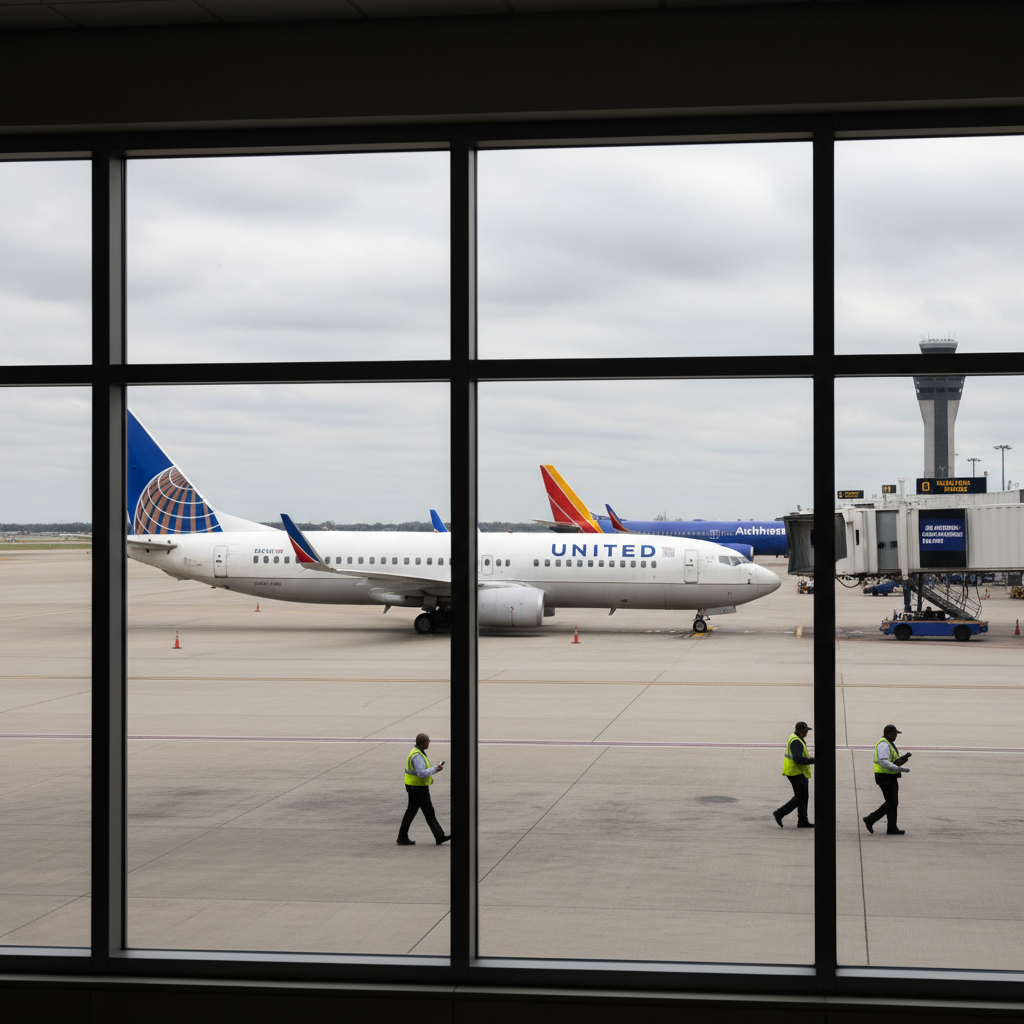
FAA flight cuts will reduce capacity roughly 10% at 40 major U.S. airports as officials cite controller shortages during the government shutdown.
FAA Administrator Bryan Bedford and Transportation Secretary Sean Duffy announced the step on the eve of the reductions, saying the move is intended to preserve safety as staffing gaps grow. The cuts target high‑pressure airports and will affect both passenger and cargo schedules, with officials warning the shutdown could force partial airspace closures if it continues.
The agency said the reduction will begin on Friday and is expected to impact thousands of daily flights across the U.S., although exact cancellation counts will vary by airport and carrier. Airlines are already revising schedules and notifying customers; travelers should expect more unpredictable delays and last‑minute changes in the coming days.
At the busiest hubs, airlines may reduce frequency on thinly loaded routes, consolidate services, or delay departures to smooth traffic flow. Cargo operators will also see fewer available slots, which could ripple into freight schedules and time‑sensitive deliveries.
Air traffic control staffing is critical to maintaining flow at congested airports. Officials emphasized the decision is about capacity management — not a change to safety standards — and the reductions are designed to keep controllers from operating beyond safe workload limits during the shutdown.
Travelers should check airline alerts, sign up for real‑time notifications, and allow extra time at the airport. If you have a time‑sensitive connection or critical cargo, contact your carrier directly to confirm schedule changes and rebooking options.