Physical Address
304 North Cardinal St.
Dorchester Center, MA 02124
Physical Address
304 North Cardinal St.
Dorchester Center, MA 02124
Global aviation news tracker
Global aviation news tracker
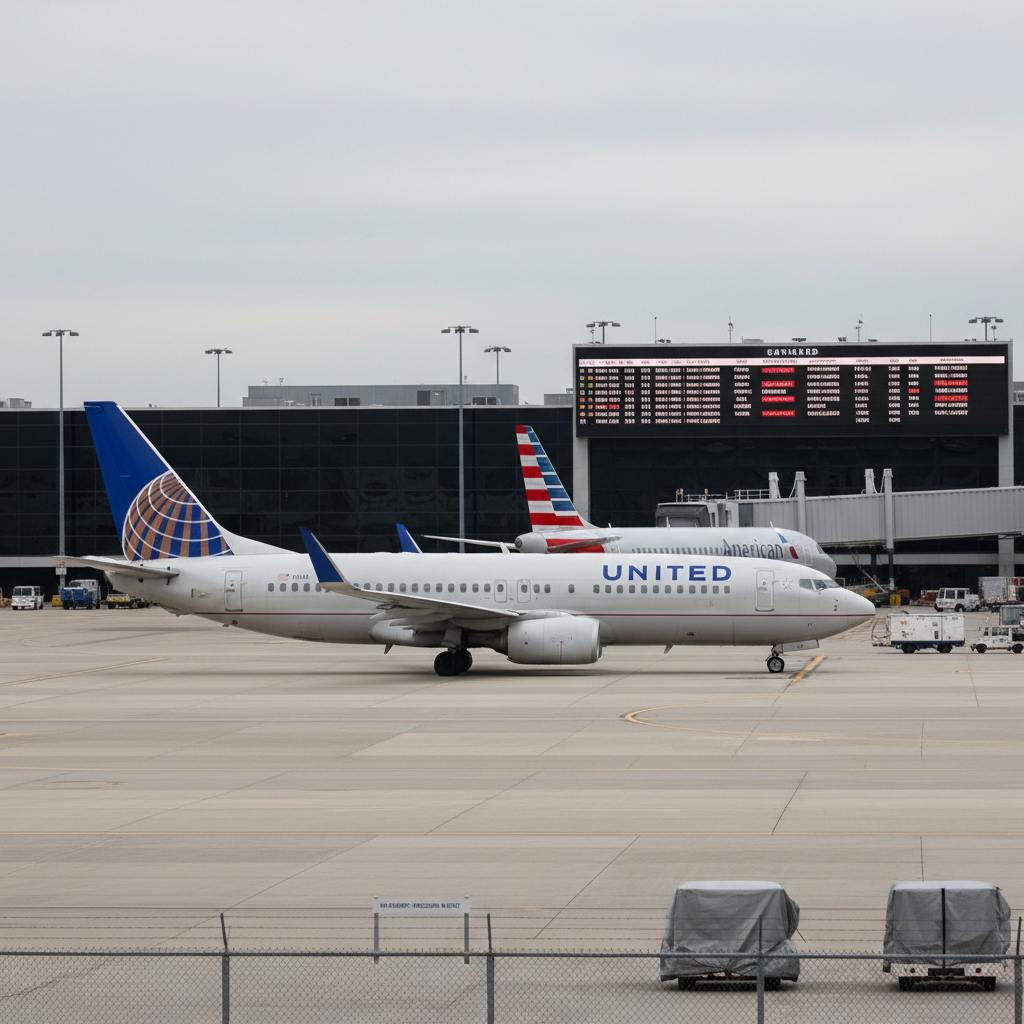
The FAA will cut scheduled flights by 10% at 40 major U.S. airports to ease pressure on air traffic control amid staffing shortfalls.
The FAA flight reduction will start Friday, agency leaders said, and applies to passenger, cargo and business aviation at the busiest hubs. Transportation Secretary Sean Duffy and FAA Administrator Bryan Bedford announced the measure as the Federal Aviation Administration remains roughly 2,000 controllers short and staffing and fatigue indicators rise.
Officials said the limits will apply primarily to IFR (Instrument Flight Rules) operations — procedures used when pilots fly in low visibility — and, in some cases, to VFR (Visual Flight Rules) traffic. A formal list naming the 40 affected airports was expected to be released on Thursday, with the FAA promising to roll back restrictions once safety and staffing metrics improve.
Airlines will need to rework schedules, and travelers should expect cancellations or rebookings on affected routes. The 10% cut is a blunt, short-term tool: it reduces hourly demand on radar and tower teams to help manage controller workload and fatigue while keeping safety margins. Cargo and business flights are included, so freight schedules could also shift.
Airlines typically respond to sudden capacity limits by consolidating flights, deploying larger aircraft where possible, and prioritizing routes. Passengers booked for travel around the announcement window should check their carrier’s flight status and rebooking policies. The FAA emphasized the move is safety-driven and temporary, pending improvements in staffing and fatigue indicators.
If the FAA posts the specific airport list, that will clarify which hubs and routes face the 10% cap. For now, expect ripple effects across schedules and potential delays as carriers and airports adapt.