Physical Address
304 North Cardinal St.
Dorchester Center, MA 02124
Physical Address
304 North Cardinal St.
Dorchester Center, MA 02124
Global aviation news tracker
Global aviation news tracker
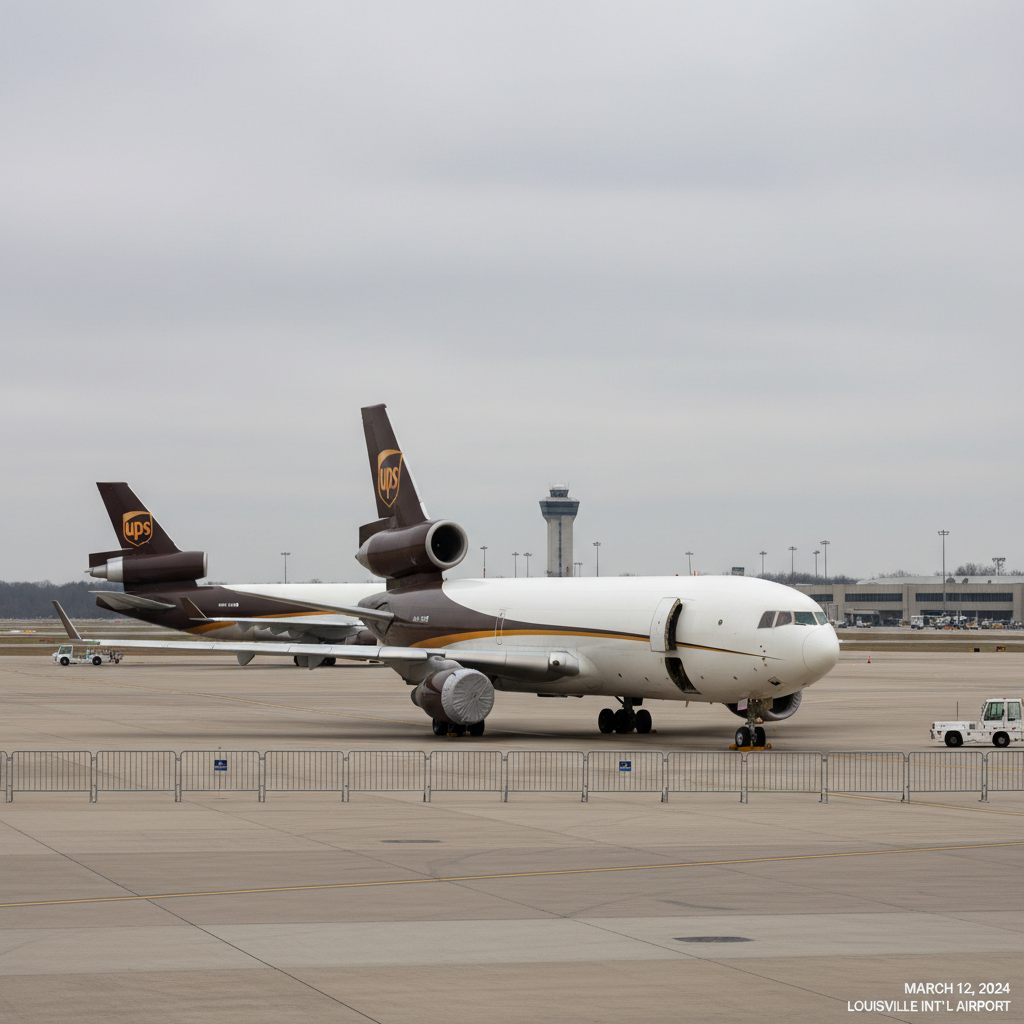
FAA grounds MD-10 and DC-10 fleets in the US after a deadly engine/pylon failure during a November 15, 2025, UPS MD-11 takeoff in Louisville, Kentucky.
The FAA (Federal Aviation Administration) on November 15, 2025, issued an emergency airworthiness directive grounding all MD-10 and DC-10 aircraft registered in the United States following the fatal crash of a UPS (United Parcel Service) MD-11 at Louisville. The directive follows the reported detachment of the left engine and pylon during takeoff, an accident that killed 14 people.
Authorities say the directive affects 10 additional US-registered aircraft. Operators listed include firefighting DC-10s and civilian operators such as Omega Air, Orbis Flying Eye Hospital, and TAB Cargo. Inspections and repairs are now mandatory before those aircraft can return to service.
The action is an emergency airworthiness directive requiring immediate inspections of engine pylons, attachment fittings and any related structures on MD-10 and DC-10 type aircraft. The FAA called for operators to remove affected aircraft from service until inspectors confirm structural integrity and necessary repairs are completed.
Investigators from the NTSB (National Transportation Safety Board) are leading the on-scene probe in Louisville and coordinating with the FAA and the aircraft manufacturers. Officials have not released a probable cause; the investigation will include wreckage analysis, maintenance records review, and flight data and cockpit voice recorder examination.
For operators and aviation professionals, this directive adds immediate maintenance workload and regulatory scrutiny. For the public, it raises renewed questions about aging widebody freighters and the oversight of legacy airframes still supporting firefighting, humanitarian and cargo missions.