Physical Address
304 North Cardinal St.
Dorchester Center, MA 02124
Physical Address
304 North Cardinal St.
Dorchester Center, MA 02124
Global aviation news tracker
Global aviation news tracker
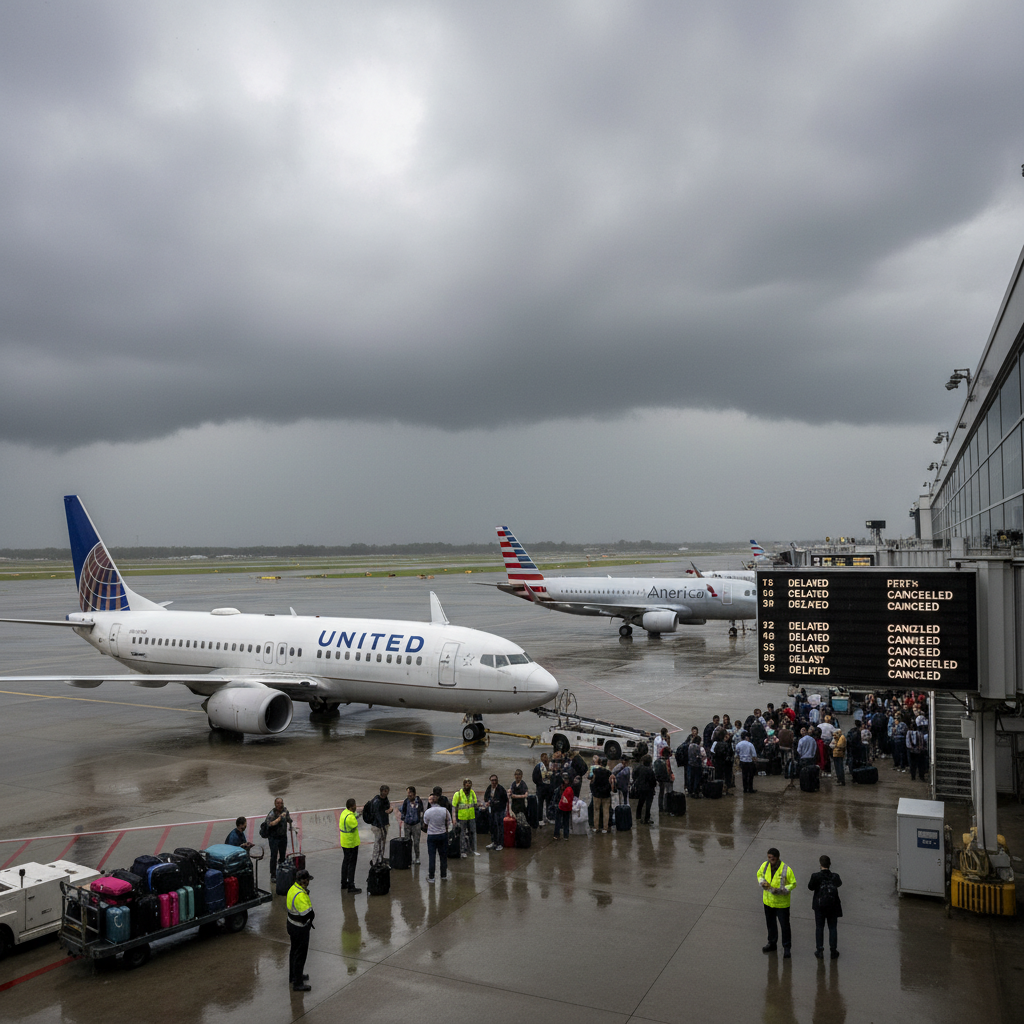
FAA staffing cuts forced airlines to slash schedules at major hubs, producing thousands of delays and cancellations.
On Sunday, FAA staffing cuts led to broad schedule reductions at 40 high-traffic U.S. airports, producing more than 8,000 delayed flights and roughly 2,000 cancellations. Airlines including Delta Air Lines (DL) and Southwest Airlines (WN) confirmed they were complying with the Federal Aviation Administration’s directive; carriers warned further cancellations could continue through Tuesday as the situation unfolds.
Passengers at major hubs such as Chicago O’Hare (ORD) reported long lines, last-minute rebooking headaches and packed customer service queues as travel demand climbs toward the Thanksgiving period. The FAA’s move is linked to the wider government shutdown, which has affected staffing levels for air traffic operations at some facilities.
Expect uneven schedules and spotty service as airlines prioritize safety and crew legality while trimming flights. With airlines operating reduced schedules, ripple effects are hitting connections nationwide — even flights that depart on time can arrive late because of earlier network disruptions.
Travelers should monitor airline alerts and the FAA’s public notices and consider flexible plans if flights are part of tight itineraries. If you face a cancellation, document communications and keep receipts for any necessary expenses; airlines typically publish rebooking procedures on their official sites and mobile apps.
Airports and airlines are working to rebalance schedules and reassign crews, but system-wide recovery can take days. For now, expect continued operational strain at busy hubs and prepare for a bumpy travel patch until staffing and schedules stabilize.