Physical Address
304 North Cardinal St.
Dorchester Center, MA 02124
Physical Address
304 North Cardinal St.
Dorchester Center, MA 02124
Global aviation news tracker
Global aviation news tracker
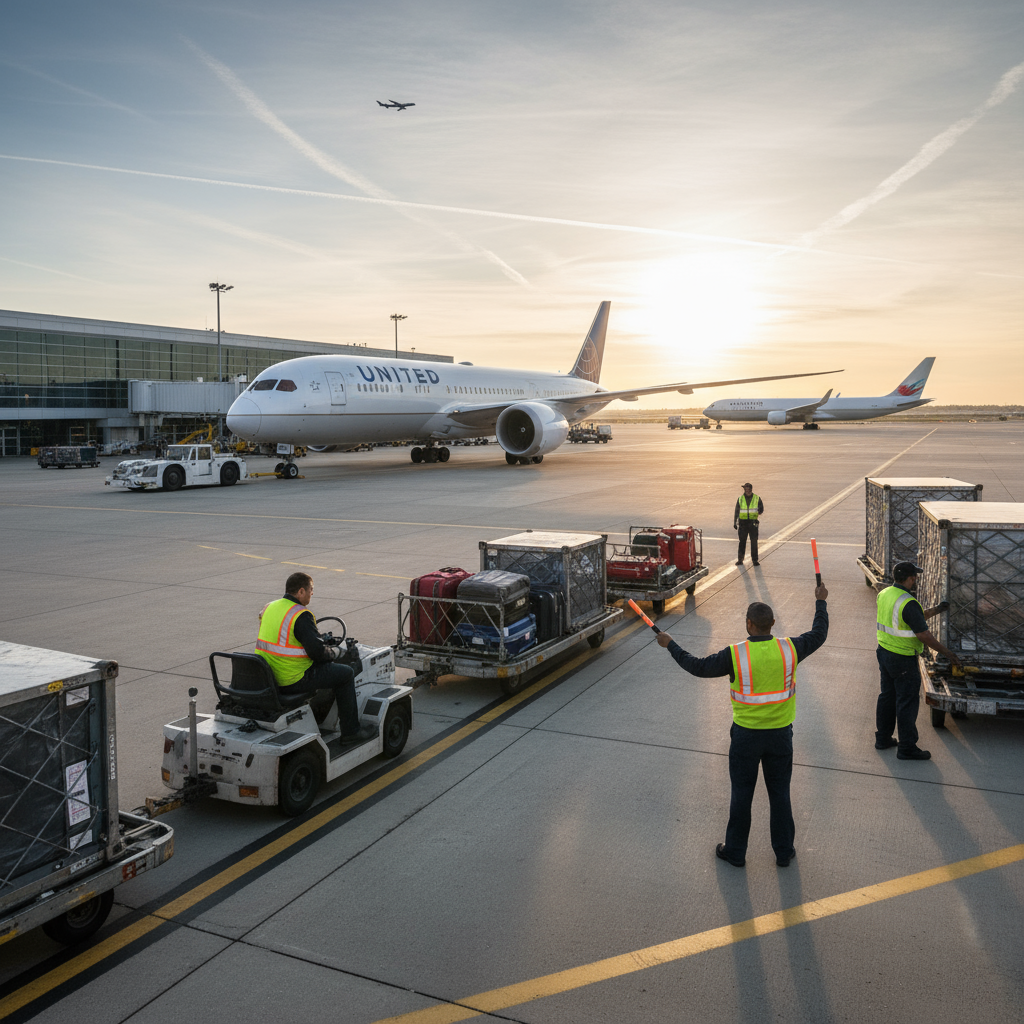
GAO reporting shows airport service workers generate nearly 30% of annual operating revenue at the busiest U.S. airports.
The U.S. Government Accountability Office (GAO) released a report this month documenting the economic and safety contributions of airport service workers. The analysis highlights that these frontline roles—often invisible to passengers—help sustain operations and bring in almost 30% of annual operating revenue at the busiest U.S. hubs.
The report was prompted by union advocacy and language in the FAA Reauthorization Bill and focuses on labor concerns at major carriers, including over 20,000 passenger service agents represented by CWA (Communications Workers of America) at American Airlines and its subsidiaries. GAO outlines widespread issues: low wages, limited healthcare access, sparse paid leave, and gaps in workplace protections.
Beyond revenue, GAO emphasizes safety and operational efficiency: ground agents, gate staff and customer-service teams coordinate baggage handling, boarding, weight-and-balance inputs, and irregular operations. When these roles are understaffed or under-resourced, delays and safety risks can ripple across airports and airlines.
The findings have reignited pressure on carriers, airports, and federal policymakers to address labor conditions in the sector. Advocates argue that raising wages and expanding benefits would stabilize staffing, improve service reliability, and strengthen safety margins—especially at peak travel periods.
While GAO does not prescribe specific wage rates, its spotlight on economic impact and worker conditions gives Congress and regulators fresh data to inform future policy and oversight. Expect renewed talks among unions, airlines, and lawmakers as stakeholders weigh operational costs against long-term resilience and passenger experience.