Physical Address
304 North Cardinal St.
Dorchester Center, MA 02124
Physical Address
304 North Cardinal St.
Dorchester Center, MA 02124
Global aviation news tracker
Global aviation news tracker
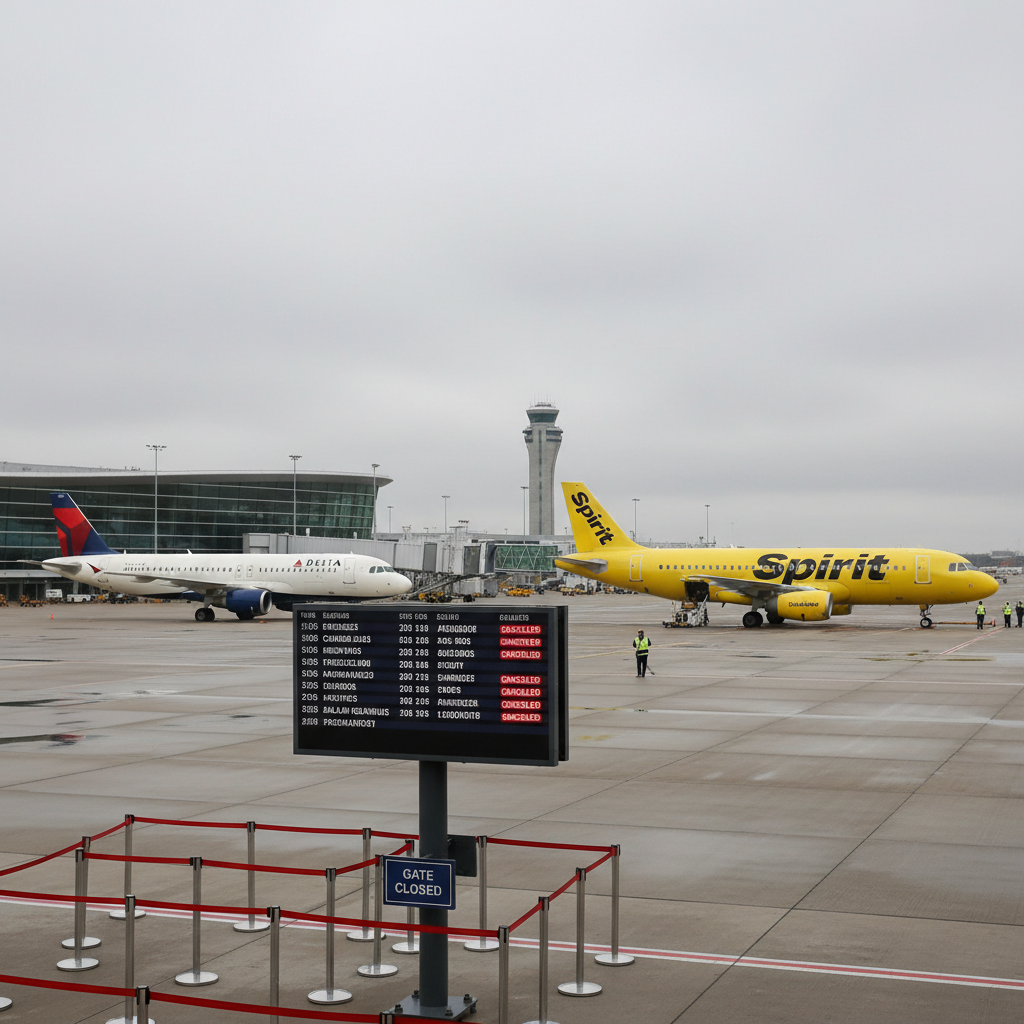
Minneapolis–St. Paul International Airport (MSP) faced fresh disruption Monday, November 10 as more than two dozen flights were canceled amid nationwide schedule reductions.
Travelers at MSP are dealing with the fallout from broad operational cuts by US carriers after the Federal Aviation Administration (FAA) introduced slot and flow restrictions and airlines responded by scaling back schedules. MSP flight cancellations have left passengers facing delays, last-minute rebookings and a thicker layer of uncertainty across the region.
Airport officials and carriers urged impacted customers to check flight status directly with their airline or the MSP website, and to allow extra time at the terminal. While the cancellations at MSP mirror a pattern at other major US hubs, specifics on affected operators and aircraft types were not released publicly for Monday’s disruptions.
Two main forces are driving the situation: FAA-mandated reductions aimed at easing congestion during peak periods, and continuing airline staffing shortages that reduce operational flexibility. That combination has prompted carriers to proactively cut or consolidate flights rather than run under-staffed services that could turn into longer delays or cancellations later in the day.
For many passengers the immediate questions are practical: when will service normalize and how far will schedule cuts extend? Airlines typically publish updated schedules and recovery plans within 24–48 hours of major operational adjustments, but timelines vary by carrier and market. Travelers with time-sensitive connections should contact their airline as early as possible to confirm routing and boarding passes.
MSP’s situation on November 10 underscores how local airport operations remain tightly linked to national air-traffic policy and airline workforce levels. Expect more day-to-day variability in schedules until both traffic-flow policies and staffing pressures stabilize.