Physical Address
304 North Cardinal St.
Dorchester Center, MA 02124
Physical Address
304 North Cardinal St.
Dorchester Center, MA 02124
Global aviation news tracker
Global aviation news tracker
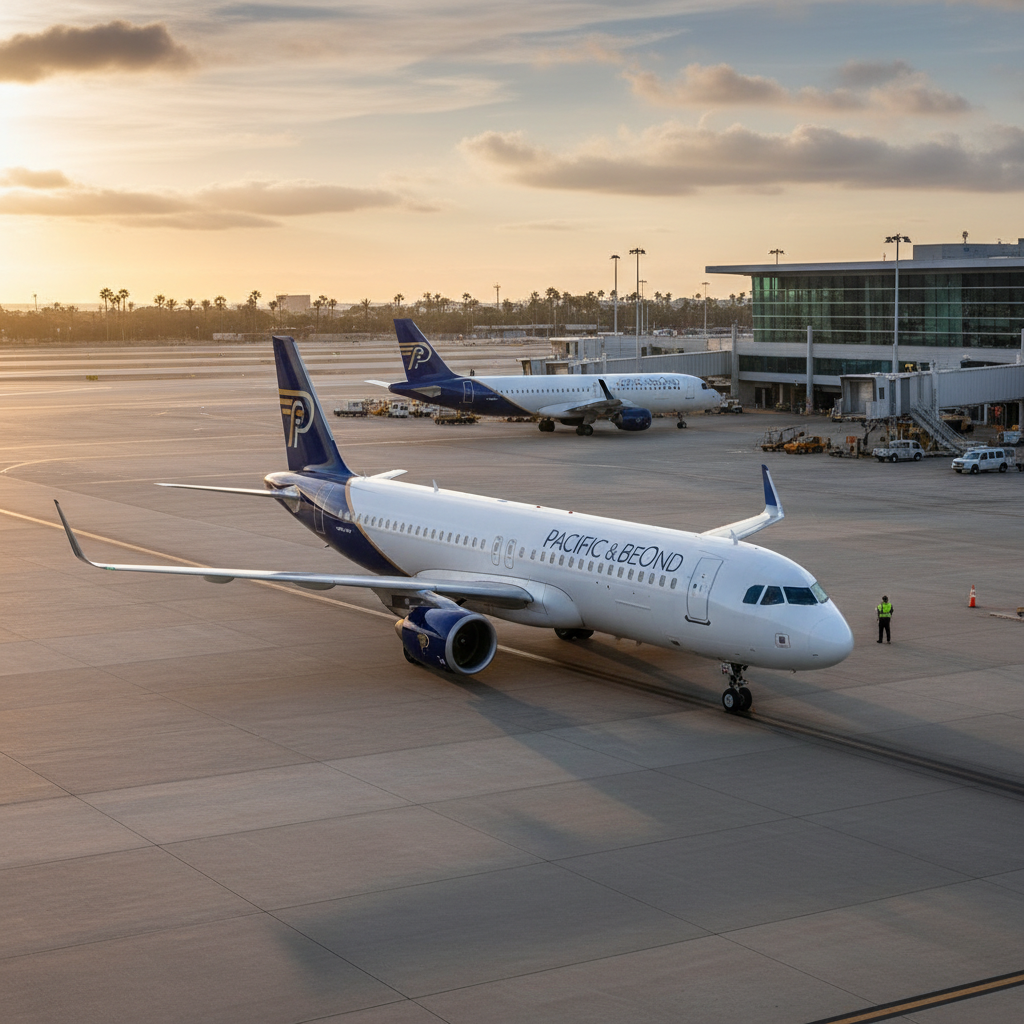
Two startup carriers aim to shake up premium US air travel with a dedicated all-business class model.
New Pacific and BeOnd have announced plans to launch a new all-business class airline network in the United States, targeting business travelers on premium transcontinental and international routes using Airbus aircraft. The venture positions itself as a luxury-focused alternative to traditional carriers, emphasizing a tightly curated schedule, higher-end cabin products, and operational flexibility.
The partners say the model will lean on regulatory agility and seasonal demand to operate routes where a full-service schedule may not be profitable for legacy airlines. While both companies are early-stage carriers and details remain limited, the announcement signals fresh competition in the US premium market and interest in niche, high-yield services.
According to the companies, the network will concentrate on point-to-point markets that attract frequent business flyers and leisure customers willing to pay for a premium experience. The plan references use of Airbus aircraft to deliver a consistent product; specific types, frequencies, route maps and launch dates are yet to be confirmed and will depend on regulatory approvals and market testing.
Operationally, the partners will need to secure route authorities, airport slots and the usual regulatory clearances before any commercial flights can begin. Investors and frequent-flyer communities will be watching for cabin layouts, seat counts, ancillary pricing and whether the service requires extended-range twin-engine operations — ETOPS (Extended-range Twin-engine Operations) — approvals for some international sectors.
For travelers, an all-business class option could mean more direct premium routes, fewer seats but more space, and tailored schedules that prioritize daytime departures and arrivals. For incumbents, the move raises questions about how legacy carriers and ultra-low-cost operators will respond to another targeted premium entrant.