Physical Address
304 North Cardinal St.
Dorchester Center, MA 02124
Physical Address
304 North Cardinal St.
Dorchester Center, MA 02124
Global aviation news tracker
Global aviation news tracker
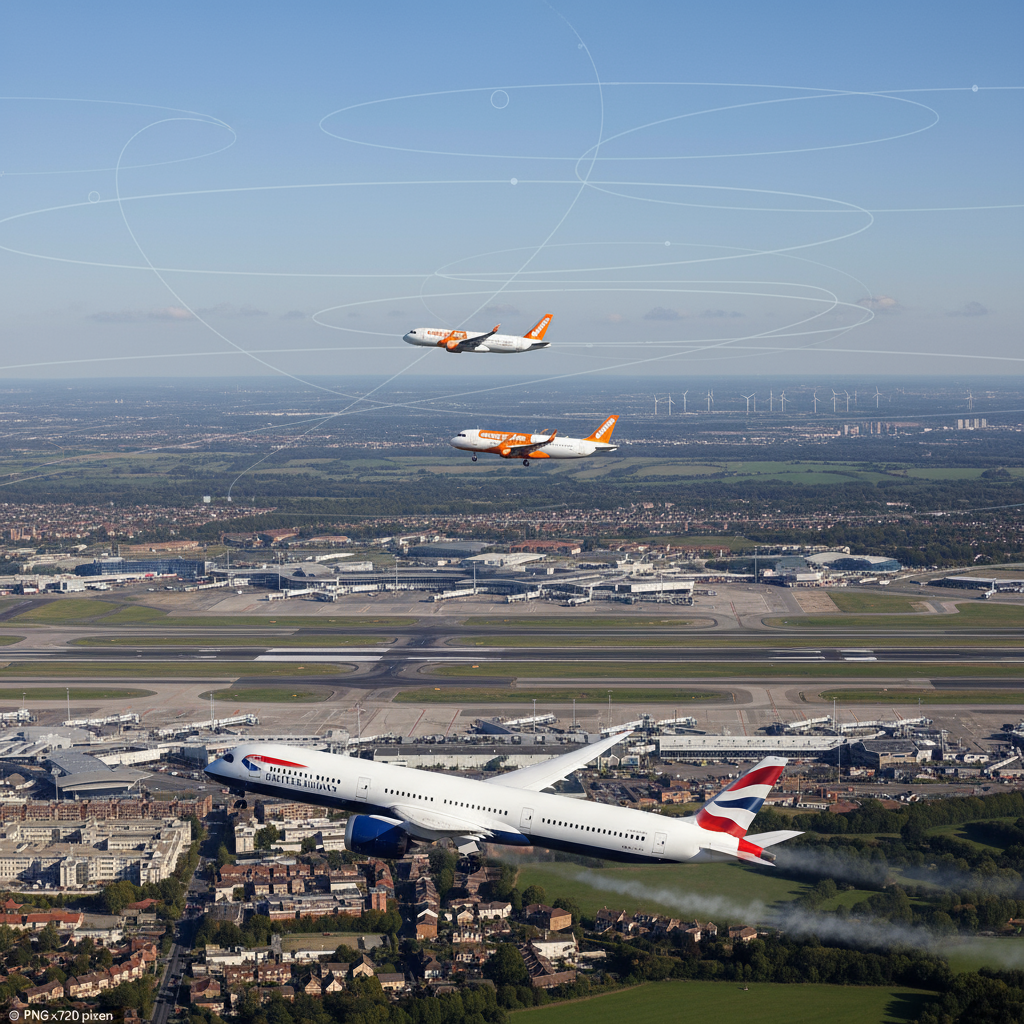
UK airspace consultation opened by the Civil Aviation Authority on 14 November 2025 to shape 2026/27 routes and environmental measures.
The UK Civil Aviation Authority (CAA) launched a public UK airspace consultation on 14 November 2025 inviting airlines, airports, local communities and wider stakeholders to comment on proposed airspace changes for 2026/27. The review focuses on new flight paths, revised navigation procedures and operational adjustments at major UK airports to improve efficiency and reduce environmental impacts.
Responses will feed into the CAA’s decision-making. The regulator says it aims to finalise recommendations by mid‑2026, with implementation expected before the end of 2026. The process is presented as part of wider European efforts to modernise airspace management and cut aviation noise and emissions.
The consultation covers several technical and community-facing topics: route design, noise-abatement procedures, air traffic management changes and how adjustments could affect local communities. The CAA explicitly asks for evidence from airlines, airport operators and affected residents to assess trade-offs between efficiency and environmental outcomes.
The CAA’s consultation is a key step for operators and communities to influence how airspace is used across the UK. While no specific airports or aircraft types are named in the consultation announcement, the outcomes could shape routing and procedures at multiple major UK airports from 2026 into 2027.
For those who want to take part, read the consultation documents and submit feedback within the published response window — this is the primary route to influence how noise, emissions and efficiency are balanced in the coming airspace changes.