Physical Address
304 North Cardinal St.
Dorchester Center, MA 02124
Physical Address
304 North Cardinal St.
Dorchester Center, MA 02124
Global aviation news tracker
Global aviation news tracker
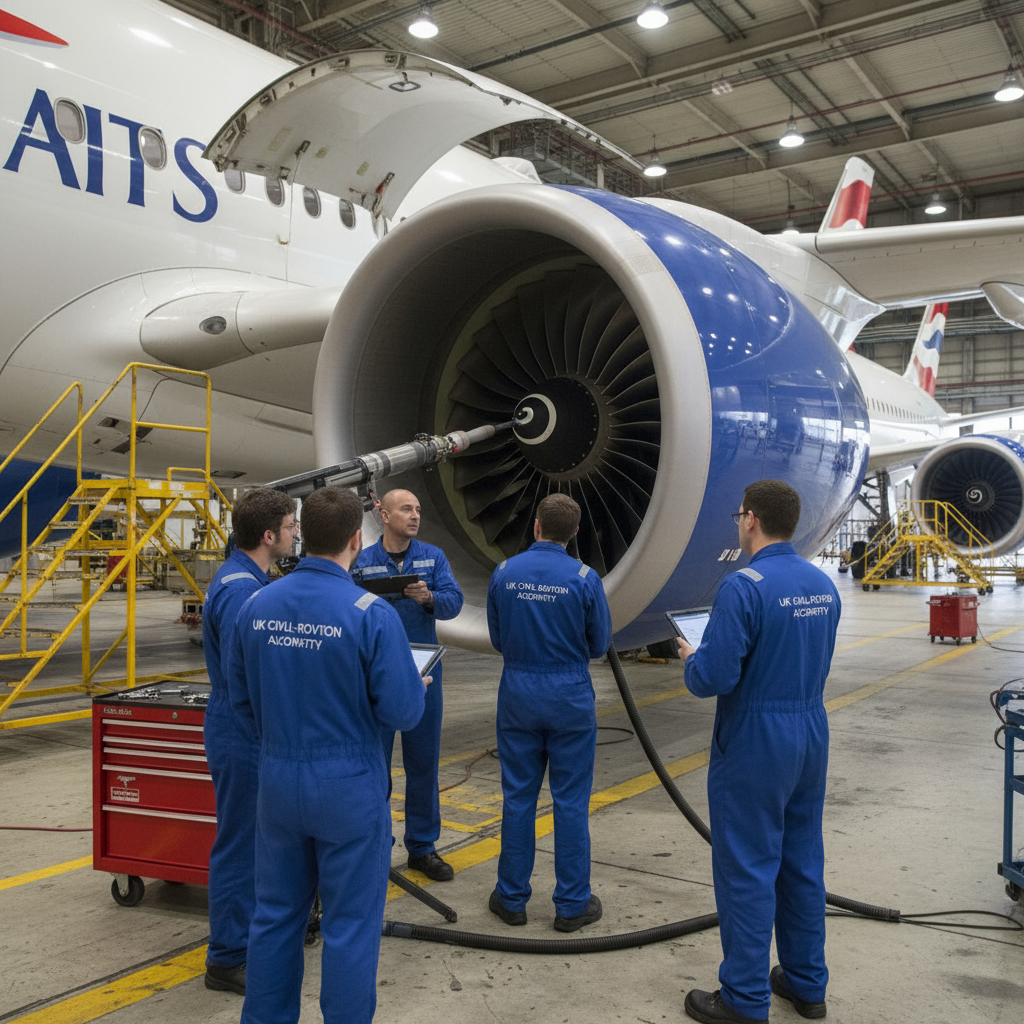
UK regulators demand fast engine checks after vibration was detected during routine A350 operations.
On November 8, 2025 the UK Civil Aviation Authority (CAA) issued an urgent safety directive requiring Trent XWB inspections on Airbus A350 aircraft operated by British carriers following reports of abnormal vibration during routine operations.
The directive orders operators to complete targeted engine checks within 48 hours to confirm continued airworthiness and safeguard passengers and crew. Rolls‑Royce’s Trent XWB is the exclusive powerplant family for the A350 series; the CAA said the measure is precautionary while data is assessed.
British carriers must inspect Trent XWB engines on affected A350s and report findings to the CAA. The regulator emphasised a rapid turnaround: inspections should be prioritised but performed to approved maintenance procedures. The CAA described the issue as an “abnormal vibration” detected during routine monitoring, and asked operators to suspend any non‑essential dispatch of aircraft pending clearance.
Rolls‑Royce and affected operators are coordinating with the regulator to gather engine health data and determine next steps. At this stage the action is an airworthiness directive-style safety notice focused on condition inspection rather than a grounding; however, the requirement gives the CAA authority to impose restrictions if inspections reveal anomalies requiring rectification.
Passengers travelling on A350 services operated by UK‑registered airlines may see schedule adjustments while crews prioritise checks. The CAA’s move follows standard safety protocol: rapid, targeted inspections to confirm engines meet certification and operational limits before returning to normal service levels.
The CAA and engine maker will continue to analyze the vibration reports and publish updates if further action is needed. For now, the priority is swift inspection and transparent reporting to keep UK skies safe.