Physical Address
304 North Cardinal St.
Dorchester Center, MA 02124
Physical Address
304 North Cardinal St.
Dorchester Center, MA 02124
Global aviation news tracker
Global aviation news tracker
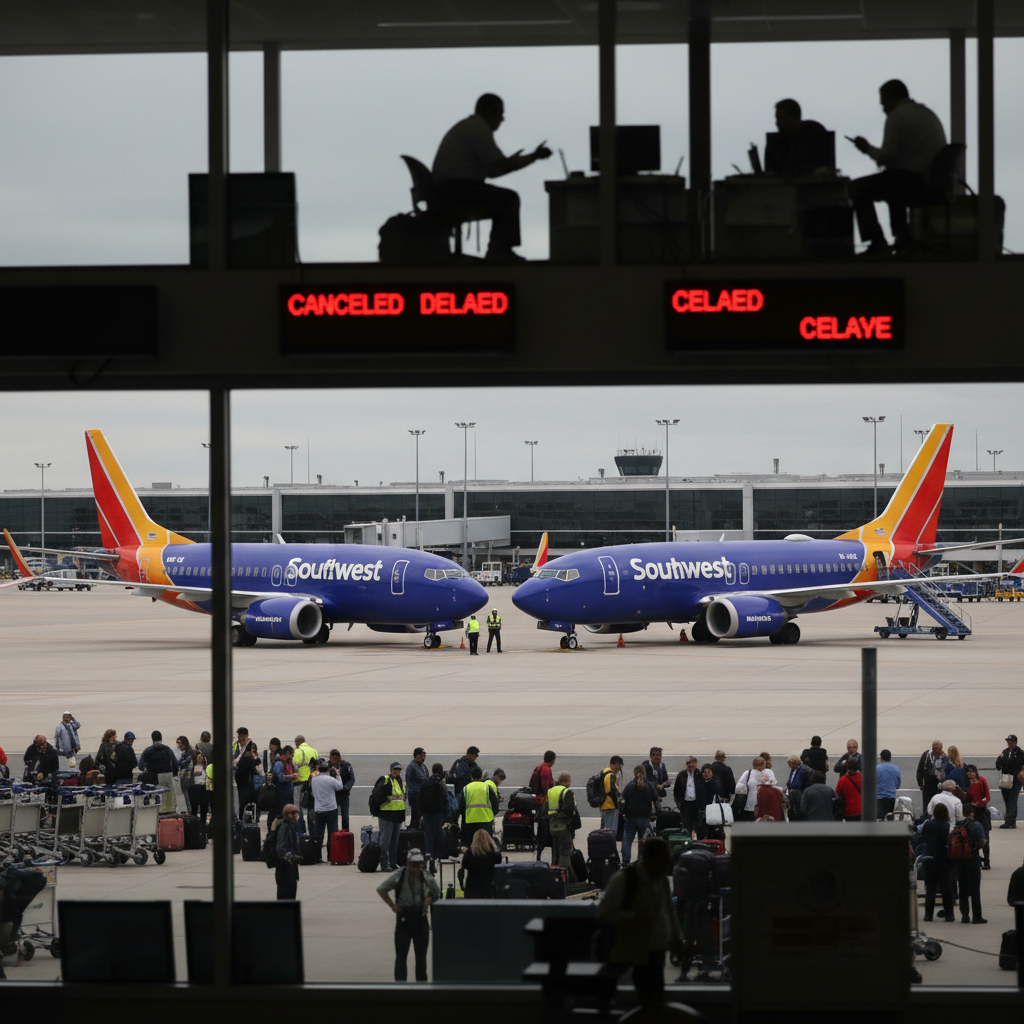
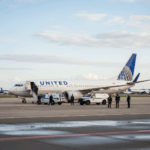
Passenger travel remained disrupted across the United States as the aviation system worked to stabilize after the recent government shutdown.
On November 14, 2025, US airline delays continued to ripple through schedules as airlines battled persistent staffing gaps in air traffic control and ongoing operational limits from the Federal Aviation Administration (FAA). The disruption followed the government shutdown and has left many airports running below normal throughput while facilities rebalance personnel and flight plans.
Airlines reported higher-than-normal cancellations and lengthy delays as they tried to reset aircraft and crew rotations. The root issue is a shortage of air traffic control (ATC) staff—controllers are essential to managing arrivals, departures and en route traffic, and gaps force the FAA to pace traffic deliberately rather than return immediately to full capacity.
The FAA’s emergency order limiting operations at some major airports remained in effect, constraining how many flights can be handled each hour. Analysts say that even with the shutdown over, it will take several days for normal schedules to return because airlines must reassign aircraft, crews and airport resources to plug gaps created during the outage.
Recovery isn’t just a matter of flipping a switch. Airports and Air Navigation Service Providers must coordinate on staffing, safety checks, and slot management. Airlines also need time to reposition aircraft and crew pairings. That coordination lag is why US airline delays have been more persistent than travelers hoped.
If you have travel planned, check your carrier’s flight status and airport advisories before heading to the terminal. Expect more on-the-ground updates, be flexible with connections, and keep digital boarding passes and contact info handy. Airlines and ATC teams are actively working through the backlog, but patience will be needed while safe operations are restored.