Physical Address
304 North Cardinal St.
Dorchester Center, MA 02124
Physical Address
304 North Cardinal St.
Dorchester Center, MA 02124
Global aviation news tracker
Global aviation news tracker
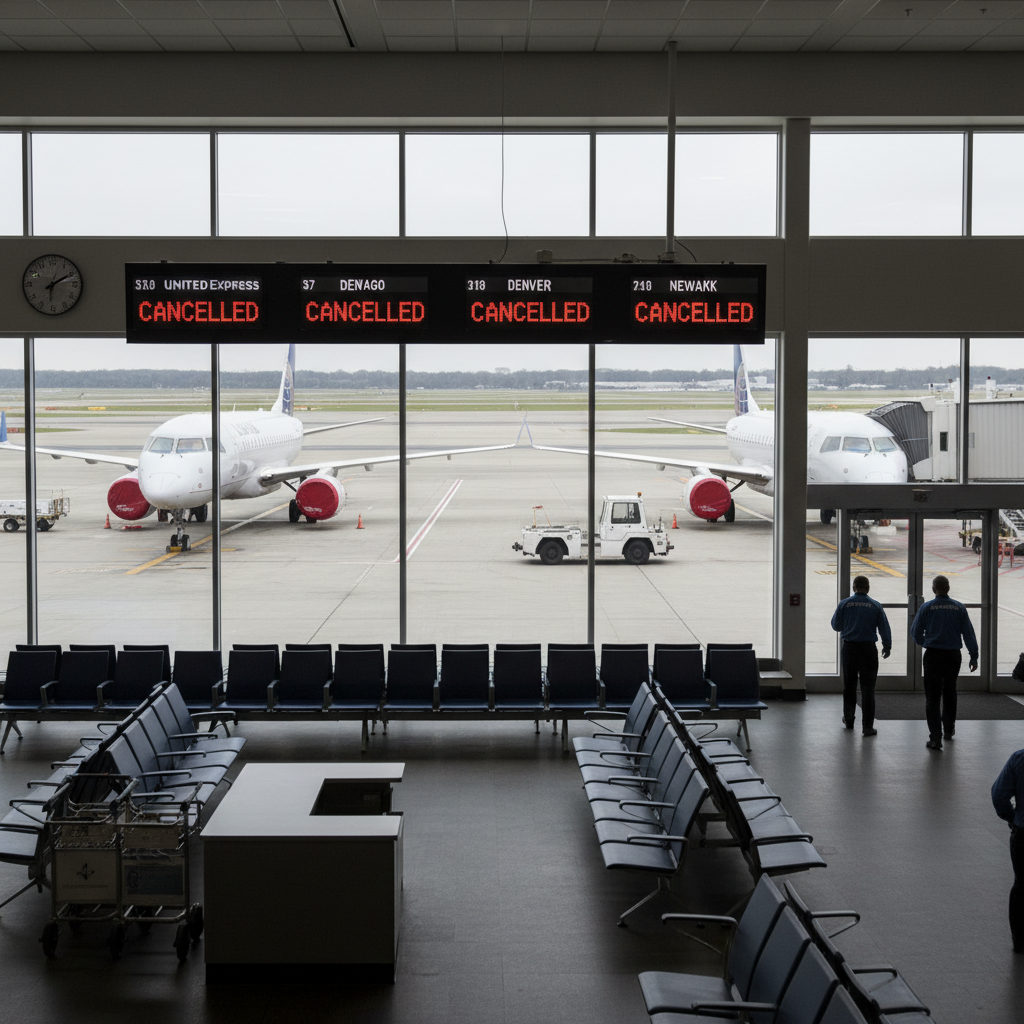
Airlines are trimming regional flying as a prolonged government shutdown strains controllers and security staff.
The Federal Aviation Administration (FAA) has directed carriers to reduce schedules as the shutdown reached its 38th day, forcing widespread flight cancellations and operational changes. American Airlines (AA) canceled 221 flights — largely on regional jets — as it complied with FAA safety guidance while keeping mainline routes comparatively stable.
Staffing gaps at the FAA and the Transportation Security Administration (TSA) are the immediate cause: controllers and checkpoint screeners are working without full funding, pressuring airlines to proactively shrink timetables to preserve safety margins and reduce airborne congestion. The Allied Pilots Association, which represents many U.S. carrier pilots, warned disruptions are increasing and urged lawmakers to resolve the impasse swiftly.
Travelers should prepare for more flight cancellations and delays, particularly on regional routes and short-haul connections, as carriers prioritize trunk routes and mainline aircraft. Airlines are notifying affected customers and rebooking where possible, but with Thanksgiving approaching, capacity squeeze and ripple effects at major hubs could widen disruptions.
Airlines emphasize safety as the reason for schedule cuts, saying mainline operations remain less affected than feeder network flying. For passengers, the practical steps are simple: check flight status before heading to the airport, sign up for airline alerts, and allow extra time for connections. If your itinerary includes regional segments, monitor messages from your carrier closely — those routes are the most likely to see flight cancellations and short-notice changes.