Physical Address
304 North Cardinal St.
Dorchester Center, MA 02124
Physical Address
304 North Cardinal St.
Dorchester Center, MA 02124
Global aviation news tracker
Global aviation news tracker
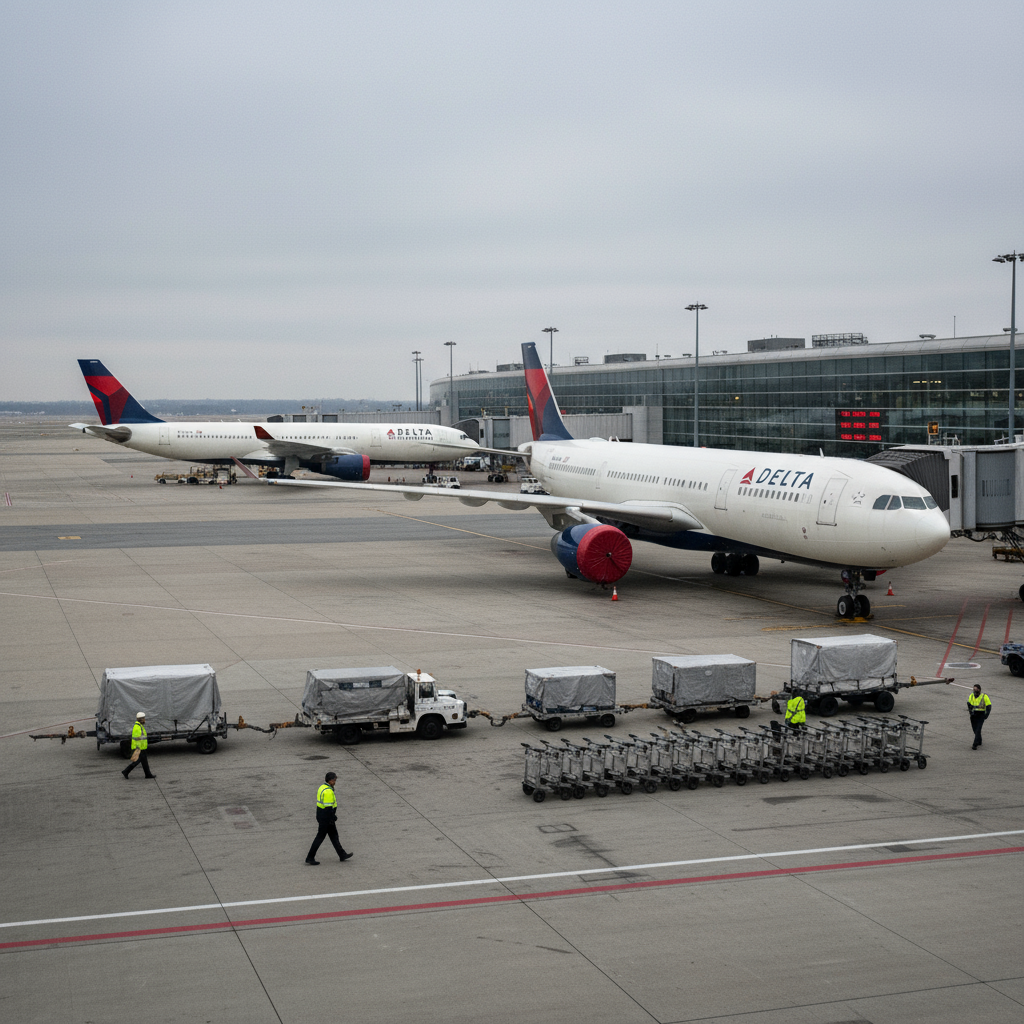
On November 12, 2025 the US government shutdown is hammering Hartsfield‑Jackson Atlanta International Airport (ATL), grounding hundreds of flights and threatening a mandated 10% capacity reduction.
Travelers at Atlanta’s hub have faced longer security and customer‑service lines as federal staff shortages squeeze airport operations. Airlines are rerouting aircraft and repositioning crews to cover gaps, but multiple carriers told industry observers that restoring normal schedules could take weeks even if funding resumes.
Industry leaders warned on November 12, 2025 that a full operational rebound may not occur until early December because of persistent staffing shortfalls and logistical knock‑on effects. The shutdown is affecting commercial carriers and general aviation support services, straining reliability and testing consumer confidence in a system built for high throughput.
Airport managers are planning for a possible 10% capacity cut mandated by federal shutdown rules. That reduction compounds problems: aircraft sit idle while crews exceed duty limits, spare parts and ramp services are slower to arrive, and passengers face more cancellations and rebookings. Local businesses that depend on steady passenger flows—hotels, restaurants, rental car firms—are already reporting lower demand.
For flyers, the practical takeaway is to check airline notifications, arrive earlier than usual, and expect greater variability in schedules for the next several weeks. Airport and airline teams are prioritizing safety and regulatory compliance while they adapt to reduced federal staffing levels.